


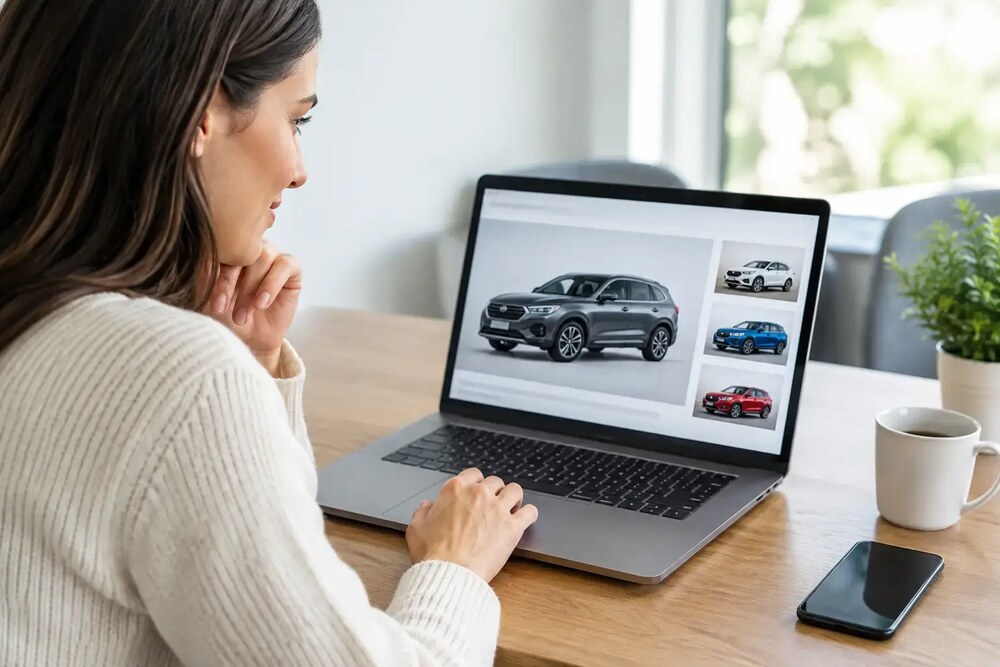
A dealer offer arriving on your mobile can be a welcome shortcut when you are ready to sell. But are online dealer offers reliable, or simply a way to get you into a conversation? The honest answer is that they can be reliable when they come from an identifiable licenced dealer, are based on accurate vehicle information and clearly explain the conditions attached. They are not a substitute for checking the final paperwork, vehicle inspection process and payment terms.
For many Australians, an online offer is a practical starting point. It gives you a benchmark, creates competition for your car and may save the time involved in arranging private inspections. The value lies in knowing what the offer means before you accept it.
What an online dealer offer usually means
An online dealer offer is a dealer's indication of what they may pay for your vehicle after reviewing details such as its make, model, variant, year, kilometres, location and condition. Dealers also consider service history, registration, options, market demand and how easily the vehicle can be prepared for resale.
Some offers are firm, while others are conditional. A conditional offer is common and not automatically a red flag. A dealer cannot fully assess paintwork, tyre wear, mechanical condition or whether the details supplied match the car without seeing it. What matters is whether the conditions are reasonable, visible and specific.
For example, an offer subject to an in-person inspection and confirmation of the vehicle's history is normal. An offer that gives no dealer identity, no timeframe, no explanation of deductions or pressure to hand over the car immediately deserves closer scrutiny.
Are online dealer offers reliable when selling privately?
They can be, particularly when the offer comes through a marketplace that verifies seller or dealer information and gives you a clear way to compare responses. Reliability is less about whether an offer was made online and more about the process behind it.
A dependable dealer will communicate in plain language, confirm the vehicle they are offering on and arrange an inspection at a suitable time. They should be prepared to explain how the price was reached and what could change it. If the car is as described, a legitimate dealer should not suddenly cut the price for vague reasons.
That said, a dealer offer and a private-sale asking price are different things. A dealer takes on reconditioning, advertising, warranty obligations where applicable, stock holding costs and the risk of selling the car later. This means a dealer offer may be lower than the price you could achieve through a private sale. In return, you may gain speed, convenience and less negotiation with individual buyers.
The right choice depends on what matters most to you. If maximising the sale price is the priority, a private listing may suit. If you need to sell promptly, are trading into another vehicle or prefer a simpler transaction, comparing genuine dealer offers can be worthwhile.
Signs an offer is worth taking seriously
Start with the dealer. In Australia, a dealer buying vehicles as part of their business should be appropriately licenced in their state or territory. Check that the business name, ABN details and contact information are consistent, and use an independently sourced phone number if anything seems unclear. A legitimate dealer should not object to basic questions about who they are.
Next, read the wording of the offer carefully. A useful offer identifies the vehicle and states an amount or a realistic range. It should say whether the figure is subject to inspection, finance settlement, PPSR checks, registration status or documents being supplied. It should also make clear how long the offer remains valid.
The inspection process matters just as much as the number. A fair inspection should focus on the condition points that affect value: body damage, interior wear, warning lights, tyres, service records, keys, modifications and mechanical operation. Ask the dealer to explain any revised valuation before agreeing to it. A small adjustment for undisclosed panel damage is different from a large unexplained reduction after you have already made plans to sell.
Finally, confirm the payment process. Do not release the car, keys or signed transfer documents until the agreed funds have cleared in your account. Be wary of screenshots, emails claiming payment has been made or requests to send money back because of an alleged overpayment. These are common scam patterns and are not part of a normal dealer purchase.
Compare the full deal, not only the headline price
The highest figure is not always the best offer. One dealer may offer slightly less but collect the vehicle, pay out an existing loan directly and complete the paperwork efficiently. Another may quote more initially but introduce fees, require you to deliver the car a long distance or reduce the amount after inspection without a clear basis.
When comparing offers, look at the final amount you expect to receive, the conditions, collection arrangements and settlement timing. If your vehicle has finance owing, ask exactly how the payout will work. Obtain the current payout figure from your lender and ensure any difference between the loan balance and sale price is understood before collection day.
It also helps to compare each offer with an independent market valuation and similar advertised vehicles. Advertised prices are not always achieved sale prices, but they show how your vehicle sits in the current market. Be realistic about kilometres, condition, location and features. A popular late-model SUV with a complete service history may attract stronger dealer interest than a high-kilometre example with cosmetic work required, even if both are the same model year.
Give accurate details to receive a more accurate offer
The quality of an online offer depends heavily on the information supplied. Being upfront protects you from wasted time and reduces the chance of a surprise adjustment at inspection.
Include the exact variant, odometer reading, registration expiry, service history and any factory or aftermarket features that add value. Clear photographs should show the exterior, cabin, tyres, dashboard and any damage. Mention accident repairs, hail damage, warning lights, modifications and mechanical issues honestly. A known issue does not make your car unsellable, but hiding it can undermine the transaction.
Before accepting an offer, check the vehicle's PPSR history and make sure you can provide proof of ownership, registration details and all available keys. A PPSR check can reveal whether there is money owing on the car, whether it has been written off or whether it has been reported stolen. It is useful for buyers and dealers, but it also helps sellers resolve issues before they delay a sale.
Questions to ask before you say yes
A short conversation can turn a vague online quote into a clear decision. Ask whether the stated amount is firm or conditional, what the inspection covers and what circumstances could change the price. Confirm whether there are administration, collection or transfer fees. Ask when payment will clear and who completes the relevant transfer paperwork in your state or territory.
If the dealer says the offer is subject to a test drive or workshop inspection, ask where it will happen and how long it is expected to take. Keep copies of messages, the offer and any agreed conditions. Clear records are useful if there is confusion later.
You should also feel comfortable walking away. A legitimate buyer will allow you reasonable time to review the terms. High-pressure tactics, requests for an upfront payment to secure the offer, or demands for personal banking access are reasons to stop the process.
Use competition to protect your vehicle's value
One offer tells you what one dealer may pay. Two or three comparable offers give you a much better view of demand. You do not need to turn the sale into a drawn-out auction, but letting dealers know you are considering genuine alternatives can encourage fairer pricing.
Carface gives private sellers a practical way to seek dealer interest while keeping the vehicle details, valuation context and enquiries in one place. Whether you sell to a dealer or privately, use the same standard: accurate information, a documented agreement and secure payment before handover.
A good online dealer offer should make selling your car feel clearer, not more complicated. Take the time to verify the dealer, understand the conditions and compare the final outcome. The best offer is the one that respects both your car's value and your confidence in the transaction.
