


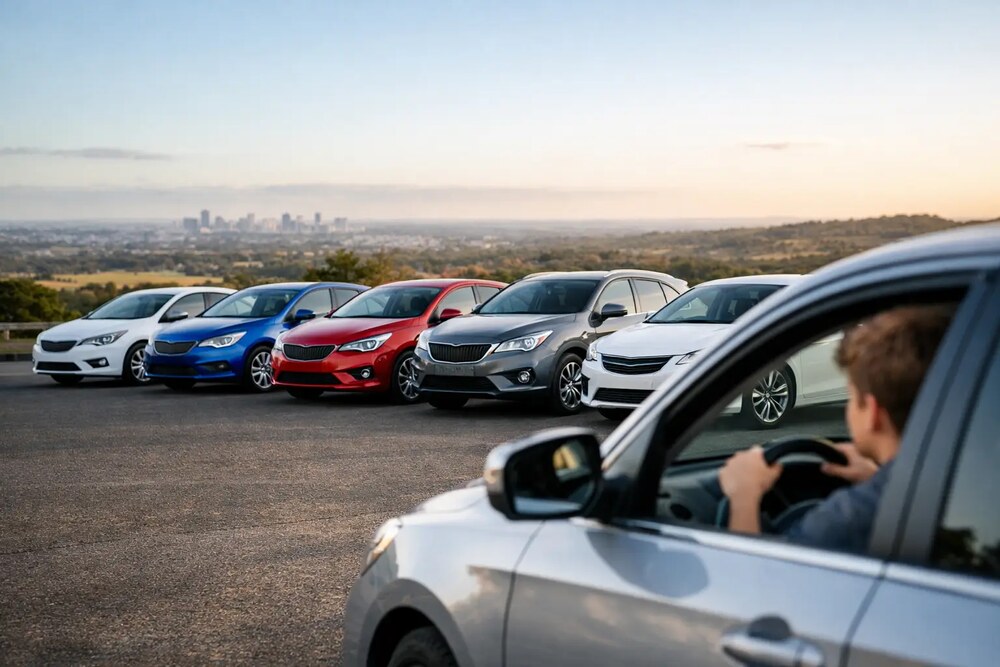
Getting your first car changes the practical stuff quickly: work shifts become easier to reach, weekend plans stop depending on a lift, and a trip to see family is on your schedule. But first-car excitement can make a cheap listing look better than it is. The best cars for first drivers balance a manageable price with safety, reliability, low running costs and a design that is easy to live with every day.
For most Australian buyers, a well-kept used hatchback or small sedan is the sensible starting point. It is easier to park, generally cheaper to insure and fuel, and usually less expensive to repair than a larger SUV or performance car. That does not mean every small car is a good buy. Condition, service history and safety equipment matter more than the badge on the bonnet.
What makes a good first car?
A first driver needs a car that builds confidence rather than creating costly surprises. Look for clear visibility from the driver's seat, light steering, a tight turning circle and parking sensors or a reversing camera where possible. These features make a real difference when you are learning to judge tight car parks, busy suburban streets and parallel parks.
Safety should be high on the list. Aim for electronic stability control, multiple airbags and anti-lock brakes as a minimum, then compare features such as autonomous emergency braking, lane departure warning and a reversing camera. Newer vehicles often have more active safety technology, but an older, well-maintained car with a strong safety record can still be a better purchase than a newer car with missed servicing or accident damage.
Running costs are just as important as the purchase price. Check fuel use, tyre size, scheduled servicing, insurance premiums and the likely cost of common replacement parts. A car that seems like a bargain can become expensive if it needs premium fuel, specialist repairs or tyres that cost far more than expected.
10 best cars for first drivers to consider
The right choice depends on your budget, where you drive and whether you need room for friends, sporting gear or occasional highway trips. These models are commonly sought after in the Australian used-car market for good reasons.
Toyota Yaris
The Toyota Yaris is a classic first-car choice. It is compact, easy to manoeuvre and has a strong reputation for reliability. Its modest fuel use and broad availability of parts help keep ownership straightforward. Earlier examples can feel basic on the motorway, so check the safety specification of the exact year and variant rather than assuming every Yaris has the same equipment.
Mazda2
A Mazda2 offers a more lively driving feel than many city cars while remaining easy to park and economical to run. The cabin is well laid out, and later models can have useful safety features. It suits drivers who mostly travel alone or with one passenger. Rear-seat and boot space are limited, so it may not suit regular airport runs or a growing collection of work gear.
Honda Jazz
The Honda Jazz is small on the outside but notably practical inside. Its flexible rear seating and tall cabin make it useful for carrying larger bags, flat-pack furniture or sports equipment. Visibility is generally good, which can be reassuring for new drivers. As with any older used car, inspect for a complete service history and make sure the automatic transmission operates smoothly.
Suzuki Swift
The Suzuki Swift is light, compact and enjoyable around town. It is one of the easier cars to place on the road, and many examples are affordable to fuel and maintain. Sport variants can attract higher insurance costs and may have been driven harder, so a standard Swift with documented servicing can be the more sensible first purchase.
Hyundai i30
For buyers wanting more room without moving into a large vehicle, the Hyundai i30 is a strong option. It is available as a hatchback and offers a comfortable ride, usable boot and a familiar layout. It handles commuting and longer trips well. Compare different model years carefully, as safety features and engine choices vary across generations.
Kia Cerato
The Kia Cerato is worth considering if a small hatch feels cramped. It is commonly available as a hatch or sedan, with decent interior space and a generally simple ownership proposition. Some used examples may retain part of their original factory warranty, depending on age, kilometres and servicing requirements. Confirm the warranty status directly rather than relying on the advertisement.
Mazda3
The Mazda3 has long been popular with Australian first-car buyers who want a car that feels settled on the open road. It is available in hatchback and sedan body styles, with a more substantial feel than a city car. The trade-off is that fuel, tyres and insurance can cost more than for a Mazda2 or Yaris. Check for a clean maintenance record and inspect the paintwork closely for previous repairs.
Toyota Corolla
A Toyota Corolla is a sensible choice for drivers planning to keep their first car for several years. It is comfortable, widely supported by workshops and generally holds its value well. That popularity can mean higher asking prices, so compare odometer readings, service records and vehicle condition rather than paying extra simply because it is a Corolla.
Subaru Impreza
The Subaru Impreza can suit first drivers in areas with frequent rain, regional roads or uneven surfaces, thanks to its all-wheel-drive layout. It feels secure and has good everyday practicality. However, it may use more fuel than a front-wheel-drive hatch, and servicing costs should be factored into the budget. A thorough pre-purchase inspection is particularly worthwhile.
Mitsubishi ASX
Some new drivers prefer the higher seating position of a small SUV. The Mitsubishi ASX is a straightforward option with a compact footprint, reasonable cabin space and good visibility. It is not as economical or easy to park as the smallest hatchbacks, but it can make sense for a driver who regularly carries passengers or travels on country roads.
Match the car to your real driving
Before narrowing your search, think about the trips you will actually make each week. A city commuter who mostly drives short distances may be best served by a Yaris, Swift or Mazda2. If you regularly use freeways, carry friends or travel between cities, an i30, Cerato, Mazda3 or Corolla may feel more comfortable and stable.
A manual can be cheaper to buy and may be enjoyable to drive, but an automatic is often easier in peak-hour traffic and more widely preferred when it is time to sell. If you are on your Ps, also check the rules that apply in your state or territory, particularly around prohibited high-performance vehicles.
Avoid choosing a car purely because it looks sporty or has a low advertised price. Modified vehicles, very low cars and older luxury models can bring higher insurance costs, expensive repairs and less predictable ownership. Your first car should give you freedom, not a constant stream of bills.
How to buy a used first car with confidence
Once you have found a promising vehicle, slow the process down. Review the kilometres, service history, seller type, registration details and advertised specifications. Ask whether there is finance owing, whether the car has been written off, and whether it has been in a significant accident. A PPSR history report can help identify issues that are not obvious during an inspection.
Inspect the car in daylight if possible. Look for uneven panel gaps, mismatched paint, worn tyres, warning lights, fluid leaks and signs of water damage. During the test drive, listen for unusual noises, check that the brakes pull up straight and make sure the transmission shifts cleanly. Test the air conditioning, windows, lights, infotainment and both keys if they are included.
If you are unsure, arrange an independent pre-purchase inspection. It is a small cost compared with discovering a mechanical issue after settlement. On Carface, buyers can compare detailed vehicle information, contact sellers directly and use available history-report and valuation tools to make a more informed decision.
Set a budget beyond the sticker price
Keep part of your budget aside for transfer fees, registration, insurance, servicing and immediate maintenance. Even a quality used car may need tyres, a battery or a scheduled service soon after purchase. If finance is part of the plan, compare the total repayment amount and loan term, not just the weekly figure. A lower weekly payment can cost more overall if the term is much longer.
The best first car is not necessarily the newest or flashiest one. It is the vehicle you can inspect properly, insure comfortably, maintain on time and drive with growing confidence every time you turn the key.
