


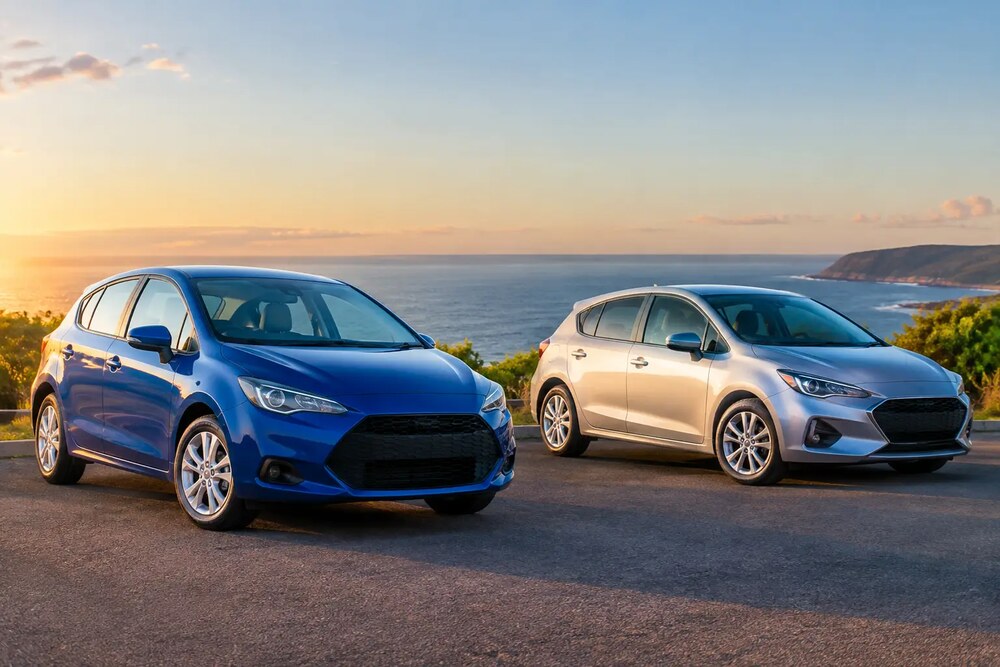
A hatchback that uses one or two litres less fuel per 100km can make a meaningful difference to a weekly commute, particularly when petrol prices move without warning. The best fuel efficient hatchbacks balance low running costs with the things that make a small car easy to live with: a usable boot, five-door access, safety features and a service history you can verify.
For Australian buyers, the right choice depends on more than a claimed fuel figure. Hybrids are particularly economical in stop-start city traffic, while a conventional petrol hatch can be the better-value option for regional driving, a tight purchase budget or simpler long-term ownership. The figures below are typical official combined-cycle claims for commonly available models and can vary by year, variant, wheels and transmission.
10 best fuel efficient hatchbacks to consider
Toyota Yaris Hybrid
The Yaris Hybrid is hard to overlook for metro commuters. Its official combined fuel use is around 3.3L/100km in newer versions, and its hybrid system is especially effective in traffic where it can spend short periods running on electric power.
It is compact, easy to park and backed by Toyota's strong reputation for resale value. The trade-off is space: rear-seat room and boot capacity are modest, so it suits singles, couples and small households better than families carrying a pram or regular sports gear. Demand can also keep used prices firm.
Toyota Corolla Hybrid
Buyers wanting more room than a Yaris should put the Corolla Hybrid high on their shortlist. Hatch versions commonly claim around 4.0L/100km, yet feel like a more substantial car on the motorway and offer better rear-seat comfort.
The Corolla is a sensible all-rounder for commuting, weekend trips and shared household duties. Check the exact variant, as safety equipment, infotainment and wheel sizes differ across model years. A well-presented example with a complete service record may be worth paying more for than a cheaper car with unclear history.
Suzuki Swift Hybrid
The current Suzuki Swift Hybrid offers claimed consumption from about 4.0L/100km. It is light, nimble and genuinely enjoyable around suburban streets, without becoming expensive to run or difficult to manoeuvre.
Earlier petrol Swifts are also worth considering if the purchase price matters most, although their fuel use will generally be higher than the hybrid. The Swift's compact proportions mean adults in the rear and larger loads may feel restricted, so inspect it with the people and gear you normally carry.
Honda Jazz Hybrid
A used Honda Jazz Hybrid combines impressive economy, typically around 4.2L/100km for later hybrid models, with one of the most versatile cabins in the small-car class. Honda's clever rear-seat design can accommodate unusually tall items or create a flat load area.
The Jazz is no longer sold new in Australia, but that makes it a strong used-car prospect for buyers who prioritise practicality over style. Availability is more limited than for a Corolla or i30, so condition and maintenance records should guide the decision rather than colour or convenience alone.
Toyota Prius C
The Toyota Prius C is a compact hybrid hatch that remains popular with city drivers, rideshare operators and buyers chasing very low fuel bills. Depending on the year and specification, official combined consumption sits around 3.9L/100km.
It is not the quietest or roomiest hatch on this list, and its interior materials are more functional than premium. However, it has a well-proven hybrid drivetrain and can be an excellent value choice if you find one that has been maintained properly and has no accident history.
Mazda2
For a non-hybrid option, the Mazda2 is one of the most efficient and polished choices. Automatic hatch variants often claim about 5.0L/100km on the combined cycle, while offering a cabin that feels more refined than many entry-level city cars.
It is a strong match for first-car buyers and commuters who want conventional petrol simplicity. The rear seat and boot are on the smaller side, and older base grades may miss features now considered essential, such as Apple CarPlay or advanced driver-assistance systems. Compare the specification, not just the badge and year.
Kia Picanto
The Kia Picanto is built for tight streets, apartment parking and short urban journeys. It generally uses around 5.8L/100km, depending on the variant, and its small size can reduce more than fuel costs - tyres, servicing and insurance can also be manageable.
This is a city car first. It can handle occasional longer drives, but a larger hatch will be more comfortable for frequent highway travel or a growing family. For used examples, check for kerb damage to wheels, worn tyres and signs of hard urban use.
Volkswagen Golf
The Volkswagen Golf has long been a benchmark for buyers who want a hatchback that feels settled and capable beyond the city. Petrol variants commonly return official figures around 5.8L/100km, with a more mature ride and stronger motorway manners than many light cars.
A Golf can make sense for someone downsizing from a larger sedan or SUV without wanting to compromise on everyday comfort. As with any used European vehicle, give priority to documented servicing, correct transmission maintenance and a pre-purchase inspection by a qualified mechanic. The cheapest example is not always the most affordable one to own.
Hyundai i30
The Hyundai i30 is a familiar sight on Australian roads for good reason. It is practical, comfortable and widely available, with petrol hatch variants typically using around 6.0L/100km on the combined cycle.
It is less frugal than the hybrids here, but may offer better buying choice at a given budget and more usable interior space. Look closely at the model year and engine, as i30 specifications have changed considerably. A newer safety package may be more valuable to your household than a small saving at the bowser.
MG3
The MG3 is often one of the most affordable ways into a newer hatchback. Its petrol engine is not class-leading for efficiency, with combined consumption commonly around 6.0L/100km or slightly more, but it can still be a sensible option when upfront cost is the deciding factor.
It offers a roomy cabin for its size and may suit buyers stepping out of an older vehicle. On a used example, assess the condition rather than assuming a low odometer means a trouble-free car. Check service intervals, tyre age, brake condition and whether any remaining factory warranty transfers with the vehicle.
How to compare fuel-efficient hatchbacks properly
A claimed fuel figure is a useful starting point, not a guarantee. If most of your driving is inner-city, a hybrid Yaris, Corolla, Jazz or Prius C can deliver a clear advantage because braking helps recharge the battery. If your kilometres are mostly freeway runs, the gap between a hybrid and an efficient petrol Mazda2 or Golf may be smaller.
Also look at the full ownership picture. Consider purchase price, insurance, servicing, tyres, registration, likely resale value and whether the car fits your life for the next few years. A 3.3L/100km hatchback is not automatically the best buy if it is too small, overpriced or overdue for major maintenance.
For a used car, inspect the service logbook, odometer reading, tyres, body panels and cabin wear. Confirm the vehicle identification number matches the paperwork, and obtain a PPSR history report to check for recorded finance owing, write-off status or theft. A test drive should include suburban streets and faster roads where possible, with attention to braking, steering, transmission behaviour and warning lights.
Find the right hatch with confidence
Use marketplace filters to narrow vehicles by fuel type, transmission, price, location and odometer reading, then compare like-for-like examples. Detailed photographs and specifications help, but direct questions to the seller still matter: ask how the car has been used, where it has been serviced and whether there are any known faults.
Carface makes it easier to search and compare quality vehicles from private sellers and dealers, so you can focus on the details that affect real ownership costs. Choose the hatchback that fits your daily kilometres, your passengers and your budget, then inspect it carefully before you commit.
