


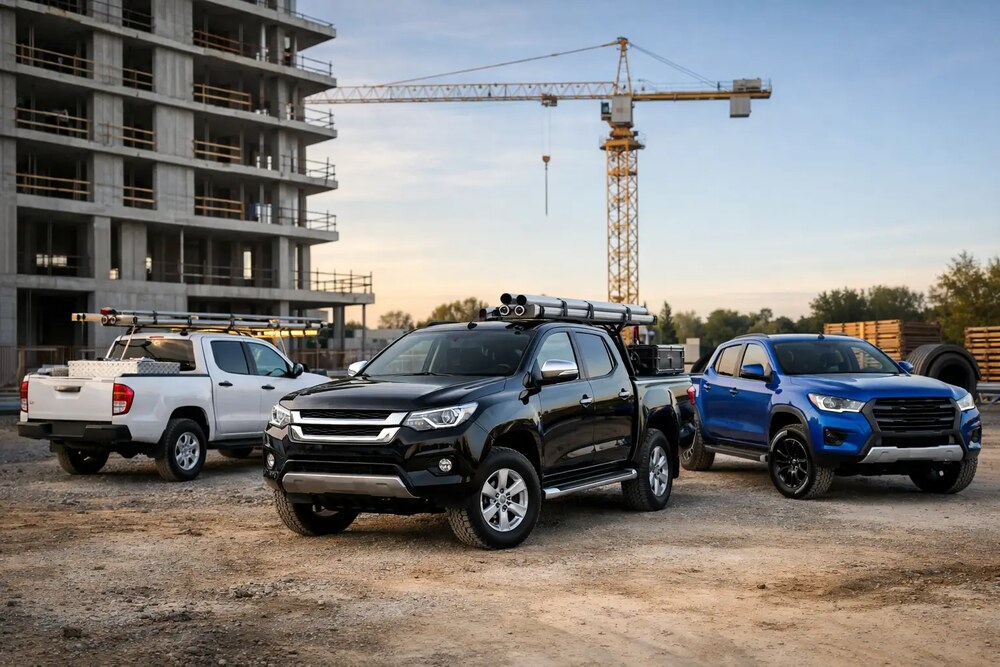
A ute earns its keep when it carries the gear, handles the kilometres and still feels right at the end of a long day. The best utes for tradies are not always the ones with the biggest towing number or the flashiest accessories. They are the models that suit your trade, your usual load and the mix of city streets, worksites and weekend driving you actually do.
For many Australian buyers, a dual-cab 4x4 is the obvious starting point. It gives you room for the crew or family, clearance for rough access tracks and solid resale demand. But a 4x2, single cab or extra cab can be the smarter business decision if payload, tray length and purchase price matter more than rear-seat comfort.
Start with the job, not the badge
Before comparing makes, be clear about what will live in the tray. A sparky carrying ladders and toolboxes has different needs from a landscaper hauling green waste, or a builder towing a loaded trailer. A ute that is rated to tow 3,500kg may still be a poor fit if the combined weight of passengers, accessories, tools and trailer pushes it beyond its legal limits.
Payload is one of the most useful figures to check. It is the amount of weight the vehicle can carry after accounting for its own kerb weight. That includes people, a canopy, roof racks, drawers, tools, towbar weight and anything in the tray. Many dual-cab utes lose a meaningful part of their advertised payload once fitted with common work accessories.
Also look at gross vehicle mass (GVM) and gross combined mass (GCM). GVM is the maximum permitted weight of the loaded ute. GCM is the maximum weight of the ute and trailer together. These figures matter if you regularly tow a skid steer, excavator, plant trailer, boat or caravan. Check the compliance plate, owner documentation and the manufacturer specifications for the exact variant, rather than relying on a broad model claim.
Cab configuration comes next. A single cab generally provides the longest tray and strongest work-first proposition. Extra cabs offer some secure in-cabin storage behind the front seats. Dual cabs are the versatile choice for tradies who transport workers, kids or clients, but their shorter trays may require a rack system or trailer for longer materials.
Best utes for tradies by work style
There is no universal winner, but several ute lines have built strong followings in Australia for good reasons. When buying used, condition, service history and the individual vehicle's setup should carry as much weight as the badge on the grille.
Toyota HiLux: proven resale and broad appeal
The Toyota HiLux remains a familiar sight on Australian worksites. It is popular because parts, accessories and servicing knowledge are widely available, while resale demand is usually strong. For a buyer who expects to sell again in a few years, that reputation can make the higher purchase price easier to justify.
A HiLux suits tradespeople who want a well-supported all-rounder, particularly in dual-cab 4x4 form. However, do not assume every HiLux has the same load capacity or equipment. Variant, transmission, tray type and accessories all affect the numbers. Used examples can attract a premium, so compare kilometres, maintenance records and condition closely before paying top dollar.
Ford Ranger: comfort, towing and everyday usability
The Ford Ranger is a strong option for tradies who split their time between work and family life. Newer examples offer a more car-like cabin, practical technology and a broad choice of variants. It is often high on the list for buyers who regularly tow, travel longer distances or want a ute that is comfortable on the school run as well as on site.
Its popularity means there is plenty of used stock to compare, from basic work utes to well-equipped 4x4 dual cabs. The trade-off is that highly specified models can be expensive and may have led a hard life if they have spent years towing or working off-road. Look for evidence of regular servicing and inspect any aftermarket suspension, electrical work or towing equipment carefully.
Isuzu D-Max: a practical long-haul choice
The Isuzu D-Max has earned attention from buyers who prioritise durability, straightforward diesel ownership and a no-fuss working setup. It may not feel as plush as some rivals in older generations, but it is often a sensible fit for regional travel, regular loads and people who value dependable day-to-day operation over luxury features.
For a used D-Max, assess how it has been used rather than focusing only on odometer reading. A well-maintained work vehicle with highway kilometres can be a better purchase than a lower-kilometre ute that has done constant short trips, heavy towing or rough-site work. Check the tray, tailgate, underbody and towbar for signs of use that do not match the seller's description.
Mitsubishi Triton: value without skipping the essentials
The Mitsubishi Triton is often worth shortlisting when budget is a key factor. It has typically offered a competitive mix of safety equipment, towing capability and ownership value, especially compared with some higher-priced rivals. For a sole trader or growing business, that can leave more room in the budget for a quality canopy, ladder racks or secure tool storage.
The rear-seat layout and cabin feel will not suit everyone, so take a proper test drive if the ute will double as a family vehicle. As with any used diesel ute, confirm servicing has been completed on time and ask about towing, off-road use and modifications.
Mazda BT-50 and Volkswagen Amarok: alternatives worth comparing
The Mazda BT-50 can be a compelling choice for buyers who want a well-equipped, modern ute with a practical work focus. Depending on the generation, it shares major mechanical foundations with other established utes, which can provide reassurance around parts and servicing. Compare the exact model year and specification, as BT-50 generations differ significantly.
The Volkswagen Amarok appeals to drivers who place a high value on ride comfort, cabin refinement and on-road performance. It can be an excellent multi-purpose ute, particularly for long motorway runs. The key is to budget realistically for servicing and ensure the particular vehicle has been maintained by an owner who did not cut corners. A cheaper Amarok with incomplete history can quickly become a false economy.
New, demonstrator or used?
A new ute offers a full warranty, current safety technology and the ability to choose the tray and accessories from day one. It also brings a higher upfront cost and, depending on availability, a wait for the right specification.
Demonstrators and near-new utes can offer a useful middle ground. They may have low kilometres and remaining factory warranty, but inspect them as thoroughly as any other vehicle. They may have been used for repeated short drives, test drives or promotional work.
A used ute can deliver better value, especially if it already has a canopy, tub liner, towbar or trade-ready tray. Those extras are valuable only when they are fitted properly and suit your work. A heavy drawer system may be excellent for secure tools but reduce the payload you need for materials. Treat accessories as part of the vehicle's weight calculation, not as free added value.
How to inspect a work ute with confidence
A clean exterior is not proof of a clean history. Start by matching the vehicle identification details to its paperwork, then review its service records for consistency. Ask when the ute last had a service, what work was completed and whether there are invoices for major repairs or replacement parts.
Look underneath for oil leaks, corrosion, damaged bash plates and evidence of hard impacts. Inspect the tyres for uneven wear, which can point to suspension, alignment or loading issues. Open and close the tailgate, check tray mounts and examine the canopy seals, locks and interior lights if fitted. Water ingress around a canopy can damage tools and create electrical problems.
During the test drive, listen for knocks over bumps, steering vibration, drivetrain shunt and unusual turbo or engine noises. Test the air conditioning, reversing camera, parking sensors, four-wheel-drive system where fitted and every switch that matters to your workday. If you tow, inspect the towbar rating and wiring, then confirm the vehicle's limits against the trailer you intend to use.
A PPSR history report can help identify finance owing, written-off status or whether a vehicle has been reported stolen. A pre-purchase inspection by a qualified mechanic adds another layer of reassurance, particularly for a high-kilometre ute, a modified 4x4 or any vehicle with an unclear service history.
Make the numbers work before you commit
The best ute is one you can load legally, service predictably and rely on when the next job is across town. Compare similar vehicles by total ownership picture, not just advertised price: kilometres, condition, tyres, accessories, service history, finance costs and likely resale all count.
When you are ready to compare used stock, use detailed specifications, seller information and vehicle history tools to narrow the field before arranging an inspection. A careful search now can put you in a ute that works as hard as you do, without paying for capability you will never use.
