


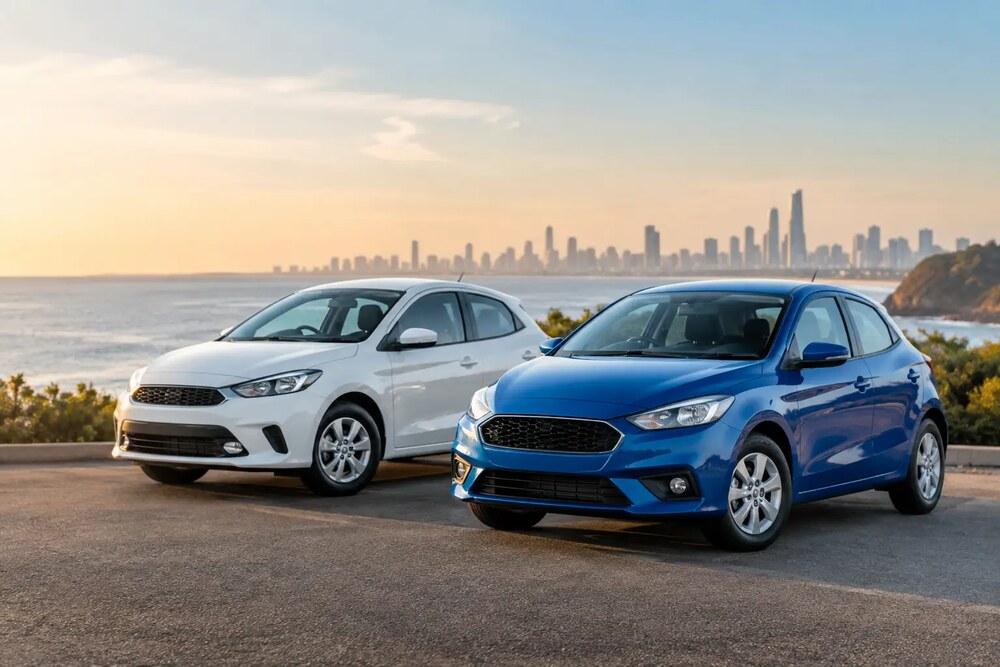
A low sticker price can be tempting, especially when you need a car quickly. But the best budget car options are not simply the cheapest cars on the screen. They are the vehicles that suit your daily life, have been cared for properly and leave enough room in your budget for registration, insurance, servicing and the unexpected.
For a first car buyer, that may be a reliable hatchback with affordable insurance. For a family, it could be an older but well-maintained small SUV with a strong safety record. For a tradie or side business, a practical ute or van with clear service history may offer better value than a newer vehicle with a higher repayment. The right choice depends on how you will use it, not just what it costs to buy.
Start with the real cost, not the advertised price
Set a purchase limit, then hold some money aside for the costs that happen after you agree on a price. In Australia, the total can include transfer fees, stamp duty, registration, comprehensive or third-party insurance, a pre-purchase inspection, tyres, servicing and fuel. These costs vary by state or territory and by vehicle type, so a car that appears cheaper at first can become the more expensive option once everything is added up.
As a practical rule, avoid spending every dollar on the purchase itself. A used car with worn tyres, an overdue service or a weak battery may still be a sensible buy if the price reflects the work required. It is less sensible when those costs have not been considered at all.
Also think beyond the first year. A larger SUV may suit school runs and weekend trips, but it can use more fuel and cost more to insure than a hatchback. A premium European vehicle can be excellent to drive, yet parts and specialist servicing may be dearer than for a popular Toyota, Mazda, Hyundai or Kia. There is no universal winner. The aim is to choose running costs you can comfortably manage.
Budget car options by the way you drive
Hatchbacks and small sedans for commuting
Small hatchbacks are often a smart place to start for city and suburban drivers. They are generally easy to park, economical on fuel and widely available in the used market. A well-kept Toyota Corolla, Mazda3, Hyundai i30, Kia Cerato or Honda Civic can offer everyday practicality without unnecessary complexity.
Do not dismiss a sedan if you need a larger boot. A compact or mid-size sedan can be a comfortable commuter and may represent good value because many buyers now focus on SUVs. Check that rear-seat space, boot access and fuel consumption work for your routine before deciding.
Small and mid-size SUVs for growing needs
An SUV can be a practical budget choice when you genuinely need the extra space, higher seating position or easier access for child seats. Older examples of popular models such as the Mazda CX-5, Toyota RAV4, Hyundai Tucson and Kia Sportage can be appealing, provided their condition and history stack up.
The trade-off is that SUVs often cost more to buy and run than an equivalent hatchback. Compare tyre sizes, fuel use and insurance quotes before narrowing your search. A smaller SUV may deliver most of the flexibility you want without the ongoing cost of a larger vehicle.
Utes and vans for work
For tools, equipment or deliveries, a ute or van can earn its keep. Look closely at payload, tow rating, tray or cargo condition and signs of hard commercial use. A work vehicle with high kilometres is not automatically a poor choice, but it should have service records that show it has been maintained on schedule.
Diesel utes and vans can make sense for regular highway driving, towing or carrying loads. They may be less suitable for short, stop-start trips if maintenance requirements have been neglected. Be clear about the job the vehicle needs to do, then compare like for like rather than buying the cheapest listing in the category.
Hybrid and electric vehicles for the right routine
Used hybrids can reduce fuel costs for drivers who spend plenty of time in traffic. Electric vehicles can also be attractive where home charging is available and your usual travel fits the vehicle's real-world range. In both cases, battery condition, charging access and warranty details deserve careful attention.
A lower purchase price is only one part of the calculation. Confirm what charging or fuel costs look like for your location and kilometres, and factor in whether a home charger or electrical work may be needed. For some drivers, an efficient petrol hatchback remains the simpler and more affordable choice.
How to compare budget car options with confidence
Start by filtering for the vehicle type, price range, location, kilometres, transmission and fuel type that fit your needs. Then compare several similar cars rather than becoming attached to the first one that looks appealing. A lower kilometre reading is useful, but a complete service history and careful ownership can matter more than the number on the odometer alone.
Read the listing details closely. Look for the build year, compliance date, registration expiry, number of owners where available, service records, included keys and any stated faults. Clear photos should show the exterior, interior, tyres, engine bay and boot, not only flattering angles. If details are vague, ask direct questions before travelling to inspect the vehicle.
A vehicle valuation can give useful context for the asking price, particularly when comparing similar year models and kilometre ranges. It is a guide, not a substitute for checking the actual car. A vehicle priced below market value may be a genuine opportunity, but it may also need repairs or have a history that needs further investigation.
Inspect the car before you negotiate
An inspection is where online research becomes a real buying decision. Arrange to see the car in daylight if possible, and allow enough time to look beyond its appearance. Check for uneven tyre wear, panel gaps, mismatched paint, warning lights, fluid leaks, damaged seats and signs of water entry. Open the bonnet and boot, test the air conditioning, windows, central locking, lights and infotainment functions.
During a test drive, listen for knocks, rattles or unusual engine noise. The car should start cleanly, brake in a straight line, steer predictably and shift smoothly. Test it at suburban speeds and, where practical, on a faster road. If something feels wrong, do not assume it is minor because the vehicle is inexpensive.
Ask for the service book, invoices and registration papers. A PPSR history report is also a sensible check before purchase. It can help identify whether a vehicle has been written off, reported stolen or has money owing on it. For higher-value purchases, older vehicles with unclear history or any car that gives you pause, an independent pre-purchase inspection is money well spent.
Know who you are buying from
Buying from a licensed dealer may provide consumer protections that differ from a private sale, although the exact rules depend on your state or territory. A dealer can also be convenient if you are trading in, considering finance or comparing multiple vehicles in one visit. Private sellers may offer competitive pricing and useful first-hand knowledge of the car, but buyers need to complete their own checks and paperwork carefully.
Whichever route you take, deal with a verified seller where possible, keep communication clear and avoid sending money before you have inspected the vehicle and confirmed the details. On Carface, buyers can compare vehicle information, contact sellers directly and use available valuation and history-report tools to make a more informed decision.
Finance can change the budget, not remove it
Finance can help spread the cost of a vehicle, but it should make the purchase more manageable, not push you into a car you cannot comfortably afford. Compare the total amount payable, interest rate, loan term, fees and repayment frequency. A lower weekly repayment can look appealing while costing more overall if the loan runs for longer.
If you are considering finance, seek pre-approval before negotiating. It gives you a clear spending ceiling and helps you focus on cars within reach. Keep insurance, fuel and maintenance in your monthly calculation, not just the repayment.
The best budget buy is usually the one that has been honestly represented, thoroughly checked and chosen for the kilometres you actually drive. Take your time, compare a few good examples and be prepared to walk away. Another suitable car will come along, and buying with confidence is worth waiting for.
