


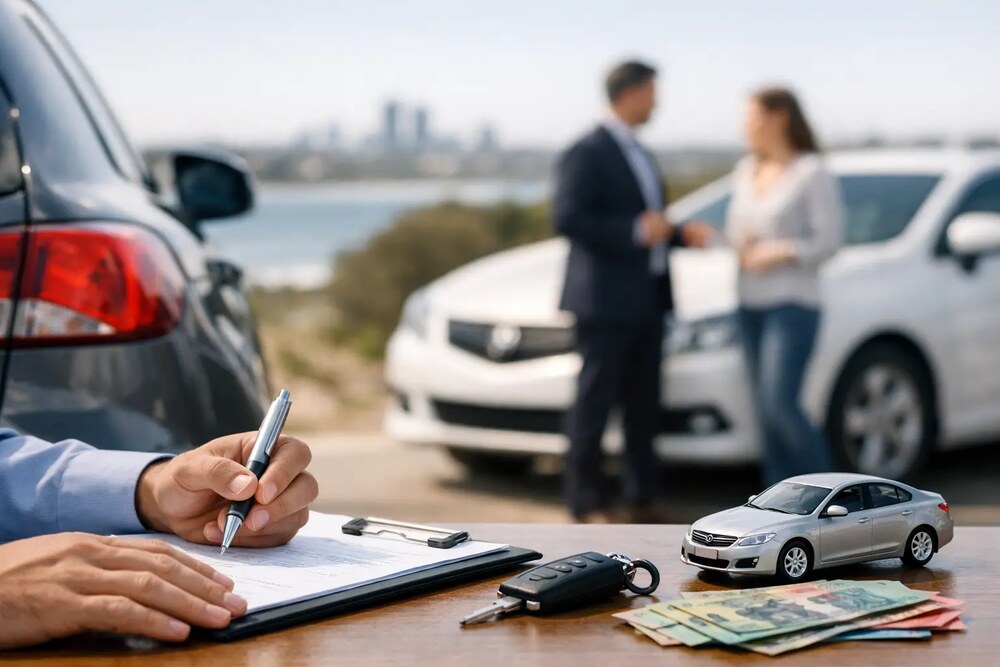
A realistic price can be the difference between a car that attracts genuine enquiries this weekend and one that sits online for months. This car valuation guide Australia explains how to work out what a used vehicle is worth using current market evidence, its condition and the details that matter to local buyers.
A valuation is not a promise of what someone will pay. It is a well-supported starting point. The final sale price can move up or down depending on your location, the urgency of the sale, the vehicle's presentation and whether there are comparable cars available nearby.
Start with the right value type
People often use the word ‘value’ as though there is one number for every car. In practice, there are several, and they serve different purposes.
The private-sale value is the amount a private buyer may reasonably pay when purchasing directly from an owner. This is usually the most useful figure if you are creating your own listing. A dealer trade-in value is generally lower because the dealer needs room for preparation costs, warranty obligations, stock holding and resale margin. A dealer retail price may be higher again, particularly where statutory warranty, a detailed inspection and finance options are included.
If you are selling privately, avoid pricing your car solely against dealer stock. Instead, compare it with similar private listings, while recognising that a professionally prepared dealer vehicle can justify a different price. If you are buying, this distinction helps you assess whether a private listing offers enough saving to make up for the extra checks you will need to complete yourself.
Build your car valuation from comparable vehicles
The most dependable way to value a used car is to compare like with like. Search current listings for the same make, model, variant and model year, then narrow the results by transmission, fuel type, drivetrain and body style. A Mazda CX-5 Maxx Sport is not directly comparable with a higher-spec GT SP, and a 4x4 dual-cab ute should not be benchmarked against a 4x2 work ute simply because the badge and year match.
Location also affects demand. A compact hatchback may draw strong interest in inner-city areas, while a diesel 4x4, van or tray-back ute may have a stronger market in outer suburbs and regional centres. Electric vehicle prices can vary significantly depending on battery condition, charging access and the availability of newer models with improved range.
When reviewing listings, focus on vehicles within roughly one or two model years and with similar kilometres. A car with 45,000 km should not be priced against an otherwise identical example with 140,000 km without making a meaningful adjustment. Look at at least five comparable vehicles where possible, rather than anchoring your expectations to one unusually cheap or expensive ad.
As you compare, record the asking price, kilometres, condition, location, service history and any standout equipment. Asking prices are not completed sale prices, so treat the range as evidence rather than proof. Vehicles advertised for an extended period may be overpriced, while a sharply priced car may have sold quickly because the owner needed it gone.
Check the details that change the price
Small specification differences can have a larger effect than sellers expect. Factory options, seven seats, leather trim, a sunroof, upgraded safety technology, a tow bar and a recognised off-road package can all influence buyer demand. So can the less glamorous details: tyre condition, two working keys, original manuals, a current service book and the remaining term of registration.
For popular models, colour can affect how quickly a car sells, although it rarely changes the underlying value as much as condition or kilometres. Neutral colours tend to appeal to a wider group of buyers. Highly modified vehicles can be more difficult to value because the right buyer may pay extra, while many mainstream buyers prefer an unmodified, well-maintained example.
Adjust for condition honestly
A valuation tool and comparable listings can establish a market range, but they cannot see the kerb rash, worn driver’s seat or warning light on your dashboard. Honest condition assessment is where a fair valuation becomes useful.
Start with the exterior. Look for dents, scratches, faded paint, windscreen chips, mismatched panels and tyre wear. Then inspect the interior for stains, odours, damaged trim, non-functioning air conditioning and infotainment issues. Finally, consider mechanical condition: servicing, brakes, suspension, leaks, battery age and whether the car drives as it should.
A full service history is one of the clearest confidence signals in a used-car listing. It does not make a high-kilometre car low-kilometre, but it can support a stronger price because it shows the vehicle has been cared for. Receipts for recent tyres, brakes, timing-belt work or major scheduled servicing can also reduce a buyer’s uncertainty.
Be careful not to overvalue recent spending. Replacing tyres or completing a scheduled service makes the car more saleable, but buyers generally see these as expected maintenance rather than dollar-for-dollar additions to the price. The exception is major work that removes a known looming cost, such as replacing a timing belt or addressing an expensive mechanical fault.
Use kilometres in context
Kilometres matter, but they need context. A vehicle that has travelled 120,000 km over ten years may be viewed differently from one that has reached the same figure in four years. Highway kilometres can be gentler on some components than constant short suburban trips, although buyers will still compare the odometer reading first.
For many Australian vehicles, annual travel around 10,000 to 15,000 km is a useful broad reference point. It is not a rule. A well-documented family SUV with above-average kilometres may represent better buying than a lower-kilometre example with patchy servicing or visible neglect.
When selling, state the odometer reading accurately and let the vehicle’s history explain its condition. When buying, be wary of a price that looks unusually low for the year and kilometres. It may still be a genuine opportunity, but it deserves closer inspection and a history check before money changes hands.
Price for the market, not for your memories
Owners naturally remember what they paid, the accessories they added and the trips their vehicle has made possible. Buyers are looking at today’s alternatives. The market does not reward sentimental value, and it will not always return the cost of modifications, paint protection, audio upgrades or aftermarket wheels.
A practical approach is to set an advertised price slightly above the amount you would genuinely accept, leaving reasonable room for negotiation. The gap should be modest. A price that is too ambitious can prevent your listing from appearing in common search filters and may cause serious buyers to move on before they make contact.
For example, if comparable cars suggest a realistic private-sale range of $24,000 to $26,000, listing at $25,900 may leave room to negotiate while remaining competitive. Listing at $29,000 in the hope that someone makes an offer can make the ad appear out of touch, even if you would accept $25,000.
If your car receives views but no enquiries after a reasonable period, review the price first, then the photos and description. If you receive enquiries but no inspections, make sure the listing answers obvious questions about service history, registration, condition and location. If inspections occur but no offers follow, the car may not match the expectations created by the ad.
Protect the value with clear evidence
A strong valuation is easier to defend when your listing gives buyers the facts they need. Use clear photos taken in daylight, including all sides of the vehicle, the interior, tyres, dashboard and service books where appropriate. Photographing flaws can feel counterintuitive, but it builds trust and saves time by avoiding surprise at inspection.
Include the exact variant, build year, kilometres, transmission, fuel type, registration expiry, service history and any features that distinguish the car. Mention known issues plainly. A buyer who understands a minor scratch or upcoming service requirement before arriving is more likely to negotiate fairly than walk away.
A PPSR history report is also a sensible part of the process. It can help a buyer check for recorded security interests, written-off status and stolen-vehicle records. For sellers, offering this information or being open to a buyer arranging it signals that you are approaching the sale transparently.
Carface can help sellers obtain a market valuation, compare similar vehicles and reach private buyers or dealer offers in one trusted car marketplace. Whatever channel you choose, accurate details and a fair price will attract better-quality enquiries.
When a professional inspection is worth it
For a newer, higher-value or performance vehicle, an independent inspection can be worthwhile before setting the price. It may identify work that needs attention, confirm the car’s strengths and give both parties a clearer basis for negotiation. This is particularly useful for prestige vehicles, modified 4x4s, older enthusiast cars and any vehicle with an uncertain service history.
Buyers should consider an inspection when the purchase price is substantial or the vehicle has signs of accident repair, mechanical noise, inconsistent panel gaps or incomplete records. A pre-purchase inspection costs money, but it can be far less expensive than discovering a major issue after settlement.
The best valuation is one you can explain without pressure: comparable vehicles support the price, the condition matches the description and the paperwork backs up the story. Price with that level of clarity, and you give the right buyer a reason to inspect with confidence.
