


An odometer reading can change a buyer’s first impression in seconds, particularly when two similar cars are listed at close prices. But does mileage affect car value on its own? Not quite. In Australia, kilometres are a major value signal, yet the car’s age, condition, service records, specification and local demand often determine whether that number is a fair reason to pay more or negotiate harder.
For buyers, the goal is not simply to find the lowest-kilometre vehicle. It is to find a well-kept car at a price that makes sense. For sellers, it is about presenting the full story behind the odometer reading so genuine buyers can see the value clearly.
How mileage affects car value in Australia
As kilometres rise, a used car will usually lose value because more driving generally means more wear. Components such as tyres, brakes, suspension bushes, wheel bearings, batteries and interiors can all show the effects of regular use. Higher kilometres may also bring the vehicle closer to larger scheduled maintenance items, which buyers will factor into their offer.
That said, there is no single kilometre figure at which a car suddenly becomes poor value. A five-year-old hatchback with 95,000 km may be completely normal for an owner with a long commute. A similar car with 35,000 km may deserve a higher price, but only if its condition and history support it.
A useful broad benchmark is around 10,000 to 15,000 km per year for many Australian passenger vehicles. It is a reference point, not a rule. Regional travel, work use, school runs, interstate trips and city commuting all produce different patterns. Buyers should compare the odometer reading against the vehicle’s age and intended use, rather than judging it in isolation.
Low kilometres are valuable, but not always better
Low kilometres can be a genuine advantage. They may mean less mechanical wear, more remaining tyre and brake life, and a vehicle that feels fresher inside. Low-kilometre examples can also be easier to finance, insure and resell where buyers strongly favour a particular model with limited use.
However, an unusually low odometer reading deserves sensible questions. A car that has spent long periods parked can still develop issues. Rubber seals, tyres, batteries and fluids age with time, even when the car is not being driven. Short, infrequent trips can also be harder on an engine than regular longer drives because the vehicle may not reach normal operating temperature often enough.
The best low-kilometre car is one with evidence of consistent care. Look for regular servicing by date as well as kilometres, receipts for maintenance, matching tyre wear and a condition that suits the advertised reading. If the history is incomplete, low kilometres alone should not justify a premium price.
Why condition can outweigh the odometer
Two vehicles with the same age and kilometres can have very different market values. One may have been garaged, serviced on time and driven mainly on highways. The other may have towed heavy loads, travelled rough roads, missed services or suffered cosmetic damage. The odometer will not reveal those details.
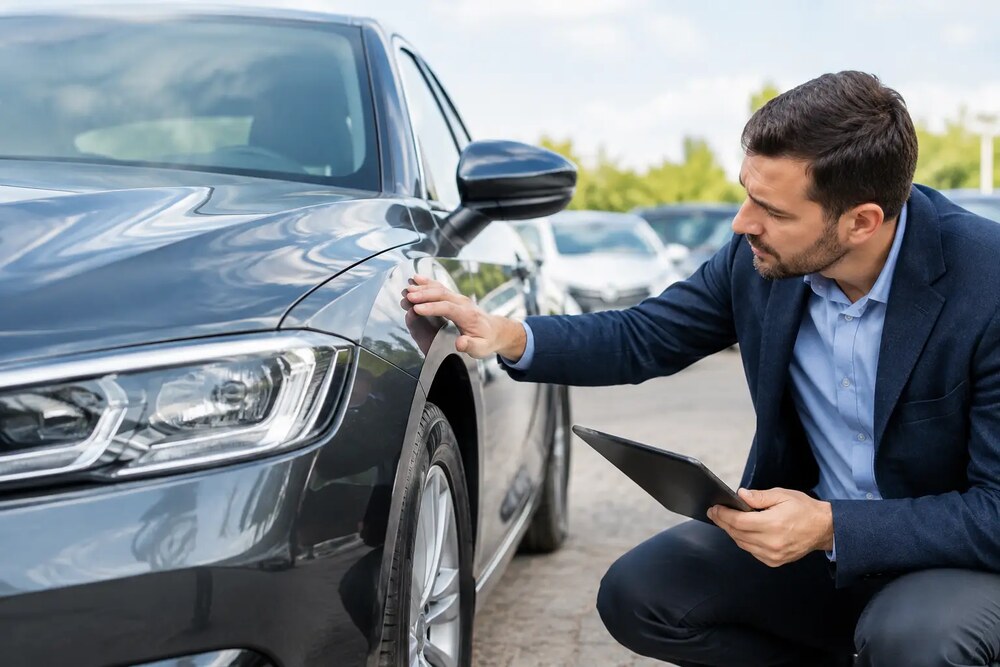
A clean interior, straight panels, even tyre wear and a complete service history give buyers useful clues about ownership. During an inspection, check the driver’s seat bolster, steering wheel, pedals, gear selector and cargo area. Heavy wear in these areas does not automatically mean there is a problem, but it should be consistent with the kilometres shown and the vehicle’s claimed use.
For a ute, 4X4 or van, kilometres need extra context. A well-maintained diesel ute with 180,000 km that has mainly covered highway kilometres may be a better buy than a lower-kilometre work vehicle that has spent years towing or operating on job sites. Look for signs of hard use around the tray, towbar, suspension, underbody and cabin, then consider the cost of any repairs or upcoming maintenance.
Service history protects value
A documented service history can narrow the value gap between a higher-kilometre car and a lower-kilometre rival. It shows that the owner has followed scheduled maintenance and addressed work as it became due. This is particularly reassuring when a car is nearing major service intervals, such as timing belt replacement, transmission servicing or hybrid system checks.
Digital service records are common on newer vehicles, but invoices remain useful. Buyers should ask whether servicing was completed according to time and kilometre intervals, not just whether there is a stamped logbook. A missed service might not end the conversation, but it should be reflected in the price.
Sellers should gather service receipts, registration details, manuals, spare keys and records of major work before listing. Clear photographs of the odometer and service documentation, with personal details protected, can build confidence before an inspection. It also gives buyers fewer reasons to assume the worst.
Model demand changes the mileage equation
Mileage does not affect every car equally. Popular, durable models with strong reputations can hold their value well even after covering substantial kilometres. This can apply to practical SUVs, reliable hatchbacks, sought-after 4X4s and work-ready utes, especially where supply is tight and buyers value a proven track record.
By contrast, a high-kilometre prestige vehicle can face a steeper discount. A BMW, Mercedes-Benz or Audi may be attractively priced once kilometres climb, but buyers will rightly consider the potential cost of specialist servicing, parts and repairs. The purchase price is only part of the ownership cost.
Electric vehicles need a slightly different assessment. Kilometres still affect tyres, brakes, suspension and interior wear, but battery condition and remaining factory warranty are also central to value. A higher-kilometre EV with healthy battery performance, a sound charging history and warranty remaining may be a more confident purchase than a low-kilometre example with less clear history.
How buyers should compare cars with different kilometres
Start by comparing like with like: the same make, model, variant, year, transmission, fuel type and condition. A base-model vehicle with low kilometres is not necessarily better value than a higher-kilometre model with safety technology, a desirable engine or a stronger service record.
Then calculate what the kilometre difference means in practical terms. If one car is $3,000 more expensive but has 40,000 km fewer, ask whether the premium is supported by its condition, maintenance history, remaining warranty and likely resale value. Also consider what work may be due soon on the higher-kilometre option. Tyres, brakes or a major scheduled service can quickly change an apparent bargain.
A test drive and inspection matter at every odometer reading. Listen for knocks over rough surfaces, check that the transmission shifts smoothly, make sure warning lights behave normally and look for leaks beneath the vehicle. A PPSR history report can help identify important history such as outstanding finance or written-off status, but it does not replace a mechanical inspection. For extra reassurance, arrange an independent pre-purchase inspection before committing.
How sellers can price a higher-kilometre car fairly
Higher kilometres do not mean a car is difficult to sell. They mean the listing needs to be accurate, well-presented and priced against comparable vehicles. Be upfront about the odometer reading, explain the car’s use where relevant and include the service history and recent maintenance in the description.
Avoid pricing purely from the lowest-kilometre listings you can find. Those vehicles may have a different variant, newer build date, better condition or dealership warranty. Instead, use a current market valuation and compare local listings with similar kilometres. A realistic price attracts serious enquiries and makes negotiation more straightforward.
Before photographing the car, give it a proper clean inside and out, remove personal items and address small, visible issues if the cost is sensible. Replacing a worn wiper blade or repairing a minor trim piece will not erase kilometres, but it signals care. Carface helps sellers present the details buyers need to compare vehicles with confidence, from kilometre readings and specifications to seller information and valuation signals.
The practical answer: kilometres set the starting point
Mileage affects car value because it helps buyers estimate wear, future costs and resale potential. It should influence the price, but it should never be the only decision-maker. A well-serviced, honestly presented vehicle with higher kilometres can be excellent value, while a neglected low-kilometre car can become expensive quickly.
When buying or selling, treat the odometer as the start of the conversation. Match it with condition, history, demand and a careful inspection, and you will be in a much stronger position to agree on a fair price.
