


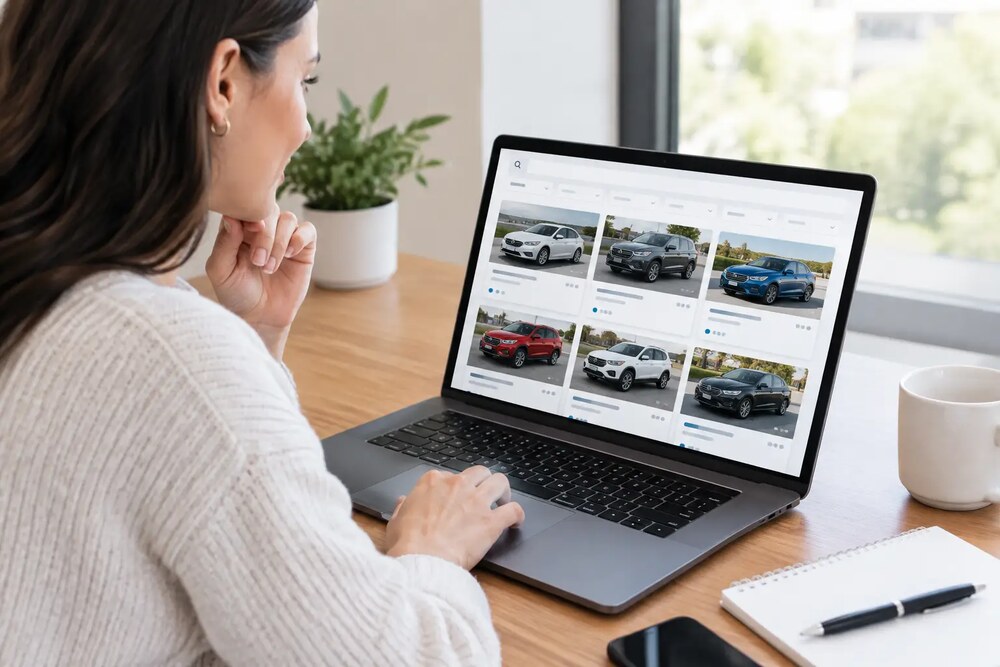
A search for a used car can return hundreds of results that look promising at first glance. Knowing how to filter car listings turns that long scroll into a shortlist you can inspect with confidence. The goal is not to find every available car. It is to find the right few cars for your budget, driving needs and location.
Start with a realistic total budget
Set your maximum purchase price before choosing a make or model. Then leave room for the costs that sit around the sale, including stamp duty, transfer fees, insurance, registration, servicing and any repairs or accessories the car may need straight away.
A lower advertised price is not always the better deal. A vehicle due for tyres, brakes or a major service can quickly cost more than a well-maintained car listed slightly higher. If you are considering finance, work from a comfortable repayment amount as well as the purchase price. This gives you a clearer picture of what is genuinely affordable each month.
When filtering, begin with a price ceiling that protects this buffer. You can always widen it later if the cars meeting your requirements are limited, but starting too high makes it easy to fall for a vehicle that stretches your finances.
Filter by vehicle type before getting specific
The body style is one of the quickest ways to remove unsuitable listings. A hatchback may suit a city commuter or first-car buyer, while a growing family may need an SUV with rear-seat space and a larger boot. A dual-cab ute can make sense for work and weekend towing, but it may use more fuel and be less convenient in tight urban parking.
Think about the way the car will be used most days, not only on the occasional road trip. Consider how many people normally travel in it, whether you need child-seat anchor points, how much gear goes in the boot, and if you regularly tow a trailer, boat or caravan. For regional driving, ground clearance, a full-size spare wheel and fuel range may matter more than they do for suburban use.
Electric and hybrid vehicles deserve their own practical check. Filter for the range, charging capability and body style you need, then consider where you will charge at home, work or on regular travel routes. The right choice depends on your routine as much as the badge on the bonnet.
How to filter car listings by location and distance
Location is more than a convenience filter. It affects how easily you can inspect the car, arrange an independent check and collect it after purchase. Start with a radius you can comfortably travel for a first inspection, then expand it if the local selection is thin or you are searching for a particular model, trim or colour.
For buyers in metropolitan areas, a smaller radius can surface plenty of options. In regional areas, a wider search may offer better value or more choice. Just factor travel into the decision. A bargain several hours away can lose its appeal if you need multiple trips, accommodation or transport home.
Do not rule out a good car solely because it is interstate, particularly if it is an uncommon model. But be more methodical. Ask for clear photos, service records and identification details early, confirm the applicable registration requirements, and organise an inspection before committing. A verified seller and transparent vehicle information help reduce uncertainty, but they do not replace your own checks.
Use kilometres, age and condition together
Odometer reading is useful, but it is not a complete measure of a used car's quality. A five-year-old car with 90,000 kilometres and a full service history may be a stronger prospect than one with 45,000 kilometres that has been poorly maintained or rarely serviced.
Set a kilometre range that reflects the vehicle's age and intended use, then read each listing for the context behind the number. Look for service books, invoices, tyre condition, interior wear, warning lights, accident history disclosures and notes about recent maintenance. Photos should support the description rather than leave you guessing.
Be careful with filters that are too narrow. Excluding every car above a certain kilometre figure could mean missing a well-priced, carefully maintained vehicle. Equally, a very low odometer reading is worth asking about if it seems unusual for the age. It may be completely legitimate, but the vehicle's history should make sense.
Narrow down fuel, transmission and key features
Once the results reflect your price range and preferred body type, filter for the details you will live with every day. Transmission is an obvious one. An automatic is the practical preference for many commuters, while some drivers specifically want a manual for cost, control or enjoyment.
Fuel type is also worth filtering early. Petrol remains a flexible option for many drivers, diesel can suit some high-kilometre or towing applications, and hybrids and EVs may reduce running costs depending on your charging access and driving pattern. Compare the whole ownership picture, rather than assuming one fuel type will always be cheaper.
Next, choose features that are genuinely non-negotiable. These might include:
- Five or seven seats for family travel
- Apple CarPlay or Android Auto for navigation and calls
- Reversing camera or parking sensors for daily driving
- All-wheel drive or four-wheel drive for specific road conditions
- Safety technology such as autonomous emergency braking or blind-spot monitoring
Avoid filtering out every listing that lacks a nice-to-have feature. Roof racks, floor mats and some infotainment upgrades can be added later. Factory safety equipment, towing capacity and the right number of seats are much harder or more expensive to change.
Choose seller type to match your buying approach
Filtering by private seller or licensed dealer can make your search more efficient. A private sale may offer a competitive price and a direct conversation with the person who has owned the car. It can also require more effort from you to verify the vehicle's history, organise payment and manage the transfer process.
Dealer listings can be useful when you want access to a broader range of stock, trade-in options or finance pathways. Consumer protections and warranty obligations may apply in certain situations, although the details vary by state, vehicle age and kilometres. Read the listing carefully and ask what is included rather than assuming every dealer vehicle has the same cover.
Whichever seller type you choose, treat clear communication as a positive signal. A seller should be willing to answer sensible questions about ownership, servicing, known faults and inspection arrangements. Pressure to pay a deposit before you have seen the vehicle, vague answers or a price that seems far below comparable cars are reasons to slow down.
Sort results by value, not only by lowest price
After applying your main filters, sort the remaining listings in more than one way. Sorting by lowest price can reveal bargains, but it can also surface cars with higher kilometres, limited details or costly work ahead. Switch between price, newest listings and distance to see the market from different angles.
Compare like with like. A higher-spec variant with lower kilometres, good service records and desirable safety features may represent better value than a cheaper base model. Pay attention to listings marked below market value or price reduced, but use them as prompts for closer research, not as a substitute for inspection.
A useful shortlist usually contains three to five vehicles. At that point, compare year, variant, kilometres, condition, location, seller type and advertised price side by side. On Carface, detailed specifications, photos, valuation information and PPSR history-report access can help you move from a broad search to a more informed comparison.
Read every shortlisted listing before making contact
Filters save time, but the listing description tells you whether a car is worth pursuing. Check the exact variant, build year, transmission, fuel type, odometer reading and registration details. Look for information on service history, modifications, accident repairs, finance owing and whether the seller has both sets of keys.
Before arranging an inspection, ask a few focused questions. Has the car ever been written off or had major repairs? When was it last serviced? Are there any warning lights, faults or upcoming maintenance? Is there finance owing? A genuine seller should be able to answer directly or provide supporting records.
Then inspect the car in person, preferably in daylight. Take a test drive, check that the features work, and arrange an independent pre-purchase inspection if you are unsure about its condition. A PPSR check is also a sensible step before finalising payment, helping you check for security interests and other important history.
The best filter is your own judgement. Use search tools to reduce the noise, then give each shortlisted car the attention a major purchase deserves. A car that fits your real needs, has a traceable history and can be properly inspected is worth more than the one that simply appears first in the results.
