


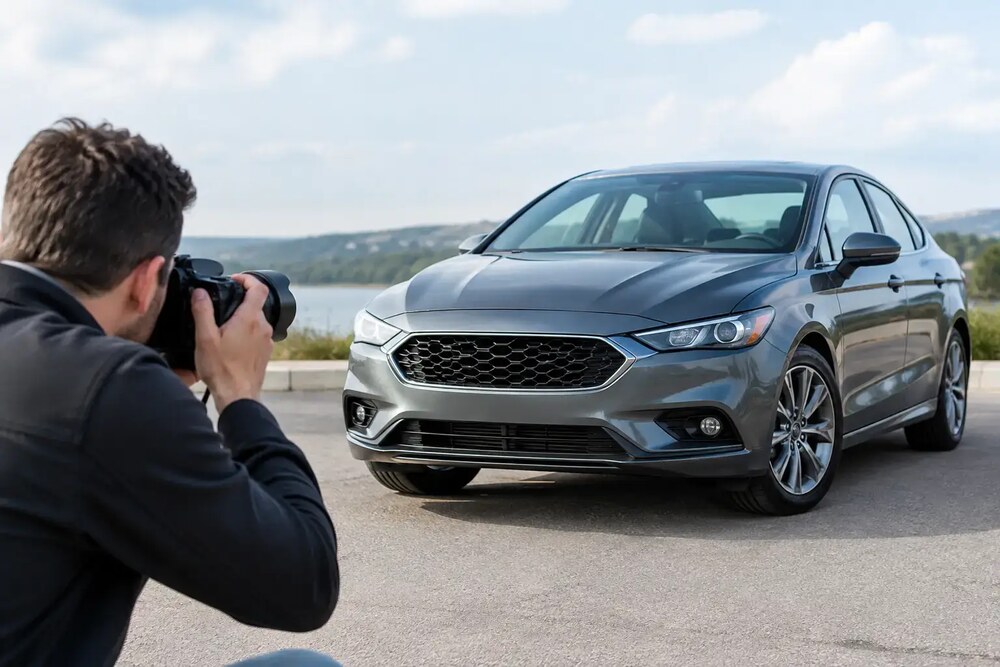
A buyer can spot a rushed listing before they read a word of the description. Dark photos, a cluttered cabin or one distant driveway shot create uncertainty - even when the car itself is well looked after. Knowing how to photograph a car properly helps you present its condition clearly, attract more genuine enquiries and give buyers confidence to take the next step.
You do not need a studio, expensive camera or professional editing skills. A clean car, decent daylight and a logical set of photos will do more for a used-car listing than dramatic effects ever will. The aim is not to make the vehicle look different from reality. It is to help a buyer understand exactly what they are considering before they arrange an inspection.
Prepare the car before you take photos
Photographs make dust, water spots and everyday clutter more obvious than they appear in person. Give the exterior a proper wash, dry the panels and clean the glass inside and out. Pay attention to the wheels, tyres, mirrors and number plates. A quick tyre shine can lift the presentation, but avoid products that leave tyres looking unnaturally wet or slippery.
Inside, remove rubbish, shopping bags, child seats and loose items from door pockets and cupholders. Vacuum the carpets and seats, wipe the dashboard, and open the sun visors so they sit neatly. If the car has a spare key, logbooks, service receipts or useful accessories, set them aside for a detail photo later rather than leaving them scattered through the cabin.
Choose a simple location with enough room to walk around the vehicle. A quiet street, clean driveway, open car park or empty industrial area can work well. Avoid busy roads, crowded shopping-centre car parks and backgrounds with bins, power poles or other cars cutting across the frame. The car should be the obvious subject in every image.
How to photograph a car in the right light
Light is the difference between clear, trustworthy photos and images that hide the vehicle’s shape and condition. Bright but overcast conditions are ideal because cloud cover softens harsh reflections and lets the paint colour show accurately. Early morning or late afternoon can also work well, particularly for metallic paint, provided the sun is not creating strong shadows across the bonnet or cabin.
Try not to shoot in the middle of a hot, cloudless day. Direct overhead sunlight can flatten the body lines, blow out white paint and cast deep shadows under the bumpers. It also makes reflective surfaces difficult to photograph. If you only have a sunny day, position the car so the sun is behind or slightly to one side of you, then check that the body panels are still visible on your screen.
Avoid photographing a car at night, under yellow streetlights or in a dim garage. These conditions can change the apparent paint colour and make buyers wonder what the photos are hiding. If indoor photos are unavoidable, use the brightest even lighting available and do not rely on a harsh camera flash.
Start with the photos buyers look for first
Stand back far enough to show the entire vehicle without distorting it. Hold your mobile around chest height for most exterior shots, keeping it level with the ground. Shooting too low can make a car look dramatic, but it often hides important details. Shooting too high can make the proportions look odd.
Your first image should be a clean three-quarter front view, showing the front and one full side. This is usually the image buyers see first in search results, so make it well lit and uncluttered. Follow it with a three-quarter rear view, then straight-on photos of the front and rear.
A complete listing should also include these essential views:
- Both sides of the car, photographed square-on so buyers can assess the doors, panels and wheel arches.
- The wheels and tyres, including a close photo that shows tread condition and any kerb marks.
- The engine bay, photographed cleanly and in good light without trying to disguise anything.
- The boot, with the cover lifted where practical to show the spare wheel area or underfloor storage.
For utes, vans and four-wheel drives, give the tray, canopy, towbar, roof racks, side steps and bull bar the same attention as the cabin. These features can be central to a buyer’s decision and may justify the asking price. For an EV or hybrid, include the charging port, charging cable if included, dashboard range display and any relevant charging accessories.
Show the interior as honestly as the exterior
Many buyers spend more time looking at cabin photos than sellers expect. Start with a wide shot from the front passenger door that shows the dashboard, centre console and front seats. Then photograph the driver’s area, rear seating, infotainment screen, climate controls and instrument cluster with the ignition on.
Make sure the odometer reading is visible and in focus. It should match the kilometres stated in your listing. A close-up of the service book, without exposing personal information, can also support a well-maintained vehicle claim. If the car has leather seats, a sunroof, third-row seating, a reversing camera, heated seats or Apple CarPlay and Android Auto, show the feature operating where possible.
Do not use an ultra-wide camera setting for every interior photo. It can make a small cabin look larger than it is and create an impression that the images are misleading. One wider overview is useful, but straightforward shots of the legroom, seat condition and controls are more credible.
Photograph condition details, not just the highlights
Honest photos save time for both seller and buyer. If there is a scratch on the rear bumper, a stone chip on the bonnet, a cracked trim piece or wear on the driver’s seat bolster, photograph it clearly. A buyer may still be comfortable with the issue, especially on an older or higher-kilometre vehicle, but they should not be surprised when they arrive.
This approach protects the value of a genuinely tidy car as well. When the photos show clean panels, intact upholstery, healthy tyres and a cared-for interior, buyers have evidence to support the asking price. Pair those images with accurate vehicle details, a realistic valuation and available history information so people can compare the car with confidence.
Be careful with edits. Cropping, straightening and adjusting brightness slightly are fine when they make an image closer to what the eye sees. Heavy filters, blurred backgrounds, altered paint colour and aggressive smoothing are not. They can create unnecessary doubt and lead to difficult conversations at inspection.
Use your mobile camera well
Most current mobiles are more than capable of producing strong listing images. Before shooting, wipe the lens with a clean microfibre cloth. Tap the screen to focus on the car, check that exposure has not made the paint too bright or too dark, and take a second frame if reflections obscure a panel.
Shoot landscape images unless the marketplace’s listing format clearly favours portrait. Landscape photos generally show more of the car and work well across desktop and mobile search results. Keep the horizon level, leave a small amount of space around the vehicle and avoid cutting off bumpers, mirrors or wheels.
Turn off portrait mode for exterior images. Its artificial background blur can make edges around mirrors, wheels and rooflines look untidy. Use the standard camera mode, take photos at the highest sensible resolution, and upload original images rather than screenshots or copies sent through messaging apps.
Put the photos in an order that answers questions
A buyer should be able to move through your images as though they are walking around the vehicle. Begin with your strongest exterior shot, then show the front, sides and rear. Follow with wheels, cabin, dashboard and odometer, then the engine bay, boot and useful features. Finish with condition details, accessories, service records and any included extras.
Before publishing, review every image on a larger screen if possible. Remove duplicates, blurry photos and pictures where your shadow, reflection or another person is distracting. Check that no documents reveal your home address, licence number, phone number or other personal details.
Clear photography will not replace an inspection, a PPSR history report or sensible questions about the vehicle’s history. It does make those next steps more productive. When buyers can see a car properly before they enquire, the conversations tend to be more informed, inspections are more serious and the path to a fair sale is much simpler.
