


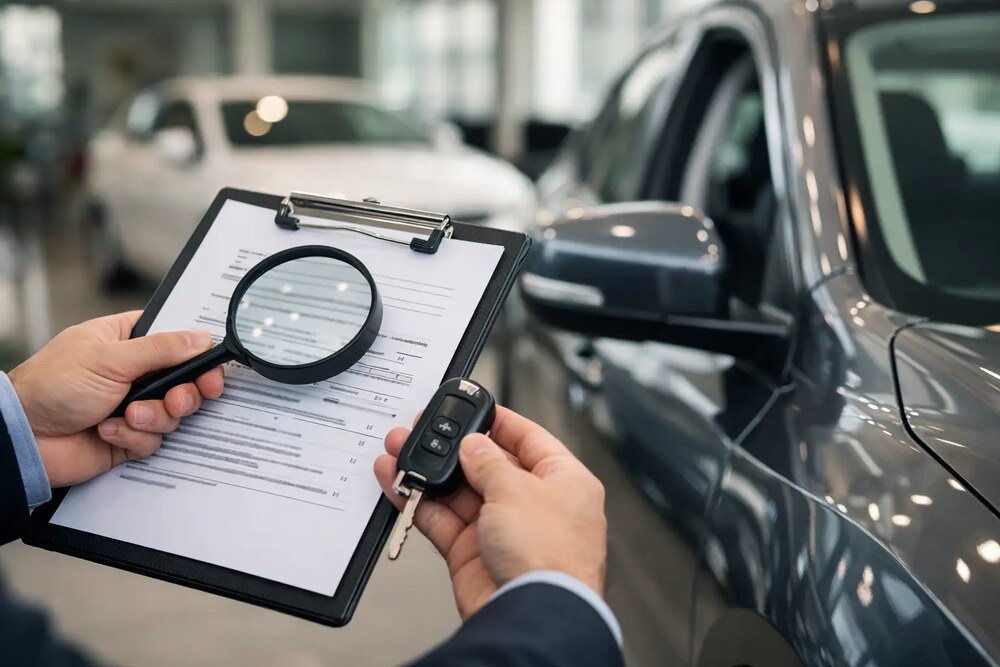
A used car can look right on the driveway, drive well on a test drive and still carry a problem you cannot see. The PPSR check meaning is straightforward: it is a search that helps you identify certain recorded risks against a vehicle before you hand over your money.
For Australian buyers, it is one of the practical checks to complete alongside inspecting the car, confirming the VIN and reviewing service records. It does not replace those steps, but it can reveal information that a seller may not know, disclose or be able to resolve quickly.
PPSR check meaning in plain English
PPSR stands for the Personal Property Securities Register, Australia’s national register for security interests in personal property. A car is personal property, so a lender can register an interest in it when finance is used to buy the vehicle.
In everyday terms, a PPSR check searches a vehicle identification number, or VIN, to see whether relevant information has been recorded against that vehicle. A result may help show whether the car has finance owing, has been reported stolen or has been recorded as written off.
The finance component matters because the debt is not always visible from the car itself. For example, a seller may have bought a ute on a loan, still owe money to the lender and then decide to sell it privately. If the lender has a registered security interest and the finance is not properly finalised, there may be a risk of a dispute over the vehicle.
A PPSR search is not a judgement on the seller’s character. Plenty of legitimate sellers have finance to pay out as part of a sale. What matters is that the arrangement is clear, the payout is handled correctly and any security interest is released before the transaction is treated as complete.
What a PPSR vehicle search can tell you
A vehicle PPSR search can return several types of information that are useful when comparing a used car. The report is based on the VIN you enter, which is why getting that number right is essential.
It may identify:
- a registered security interest, which can indicate finance or another secured obligation connected to the vehicle
- whether the vehicle has been reported stolen
- whether it has been recorded on a written-off vehicle register
- key vehicle details associated with the VIN, helping you spot an obvious mismatch with the car you are inspecting.
A security interest is the result most buyers need to understand carefully. It does not automatically mean you should walk away. It means you should pause the deal and ask specific questions: Who is the secured party? Is the loan being paid out? Can the seller provide written confirmation that the interest will be removed? Should part of the payment go directly towards the payout?
If the car is recorded as stolen, do not proceed. If it is recorded as written off, the next step depends on the classification, the rules in your state or territory and whether the vehicle has been legally repaired and registered. A written-off record can also affect safety, insurability, resale value and a future buyer’s confidence, even where the car is permitted back on the road.
A clear PPSR result is helpful, not a full health check
One of the most common misunderstandings is treating a clear report as proof that the car is perfect. It is not. A PPSR check is a valuable part of a safe buying process, but it cannot assess mechanical condition, accident repairs that were not recorded, flood damage, odometer accuracy, servicing quality or how the car has been driven.
It also does not remove the need to verify the person selling the vehicle. Check that the VIN on the report matches the VIN on the vehicle itself, including the compliance plate and any other manufacturer VIN locations. Compare the seller’s details with the registration paperwork, and be cautious if the seller is reluctant to let you inspect the car at their address or rushes you to pay a deposit.
A current registration check and a pre-purchase inspection answer different questions. Registration information can help confirm status and details relevant to your state or territory. An independent inspection can uncover issues with the engine, transmission, brakes, tyres, suspension, bodywork and electrics. Service books, invoices and a test drive add another layer of evidence.
Think of it as a practical sequence: search and compare the vehicle, connect with the seller and inspect it properly, then close the deal only when the documents and condition make sense together.
When should you get a PPSR check?
For a private sale, run a PPSR search as close as possible to the final payment or collection time. A search reflects the register at that point in time, so a report obtained weeks earlier is less useful if the transaction has been delayed.
It can also be sensible to run an early search when you are seriously considering a car, especially if the price is well below market value or the seller mentions outstanding finance. Then, if you move ahead, repeat the search immediately before paying the balance. Keep the search certificate with your contract, receipt, messages and any finance-payout documents.
Buying from a licensed dealer can come with different consumer protections, and the dealer should be able to explain the vehicle’s status and paperwork. Even so, asking whether a PPSR report is available is reasonable, particularly for an older, higher-value or speciality vehicle. Clear information is part of a transparent sale.
For sellers, obtaining a recent PPSR report before listing can build buyer confidence. If finance remains, being upfront about the payout process is far better than waiting for a buyer to uncover it during their checks. A straightforward explanation can prevent delays at the point of sale.
What to do if the report shows finance owing
Do not rely on a verbal promise that the loan will be paid later. Ask the seller for enough information to understand the process, including the lender’s payout requirements and how the security interest will be released. Depending on the circumstances, buyers may arrange for funds to be directed to the lender as part of settlement rather than simply paying the full amount to the seller.
This is an area where the details matter. A lender’s name on a report, the amount the seller says is owing and the vehicle’s sale price may not tell the full story. If the arrangement is unclear, delay the purchase until you have appropriate written evidence or seek independent legal advice. Walking away can be the right decision when the paperwork does not stack up.
It is also worth understanding that a PPSR search certificate may be relevant if a dispute arises, but legal protections can depend on the facts of the purchase and the applicable rules. A report should support careful decision-making, not encourage assumptions.
How to use a PPSR check with confidence
Start with the VIN from the physical vehicle, not just a screenshot or an advertisement. A 17-character VIN should match across the car, documents and report. Watch for altered plates, missing labels or numbers that do not line up. Those are reasons to stop and investigate before proceeding.
Read the result rather than only looking for a “clear” label. If there is a registration against the vehicle, make sure you understand it. If a written-off record appears, ask for supporting documentation and consider the long-term impact on value. If the report is clear, continue with your inspection and ownership checks rather than treating the search as the last step.
Buying a used car is a significant decision, whether it is a first hatchback, a family SUV or a work-ready ute. A PPSR check gives you a clearer view of risks that are not visible under the bonnet, so you can negotiate, inspect and pay with greater confidence.
