


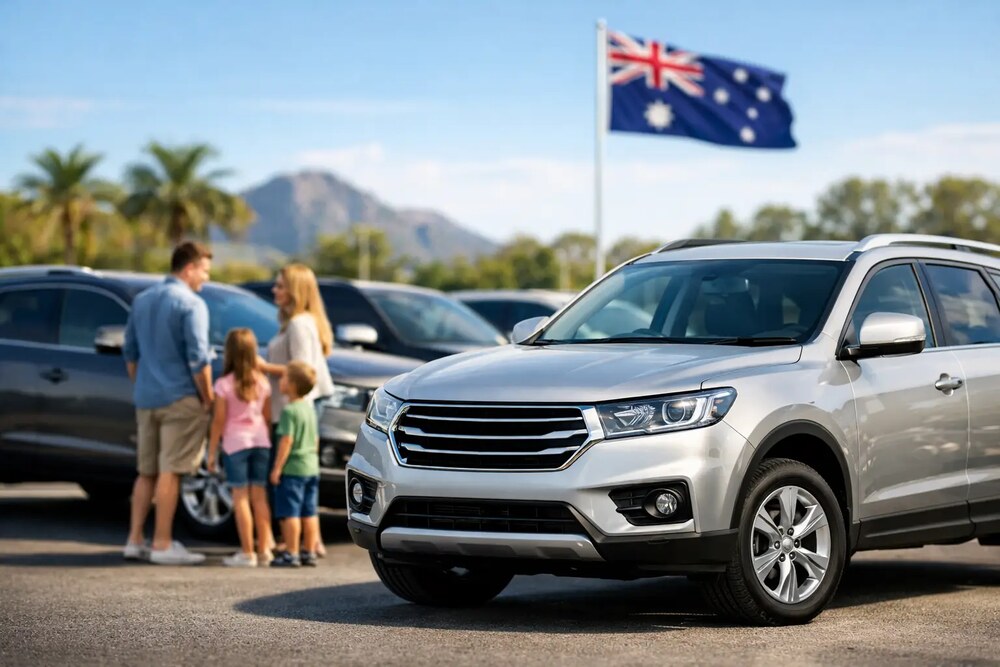
A used SUV can make the school run, weekend sport, road trips and daily commute easier without the price tag of a new car. But SUVs cover a huge range of vehicles, from compact city-friendly models to seven-seat family cars and serious four-wheel drives. The right choice comes down to how you actually drive, who travels with you and what the vehicle costs to own after you take it home.
Rather than starting with badge appeal or a single advertised price, compare used SUVs using the details that affect everyday ownership: space, safety, service history, fuel use, tyres, towing needs and condition. A well-matched vehicle should suit your life now while still giving you room for the next few years.
Start with the SUV size that suits your routine
SUV is a broad label. A compact SUV such as a Mazda CX-3, Hyundai Kona or Toyota C-HR can be easier to park in busy suburbs and generally costs less to run than a larger model. It can suit couples, solo drivers and small families, particularly when most trips are around town.
Medium SUVs are often the practical middle ground. Models such as the Mazda CX-5, Toyota RAV4, Subaru Forester and Hyundai Tucson usually provide more rear-seat room and a useful boot without feeling oversized in a shopping centre car park. For many Australian households, this is the category that balances comfort, running costs and flexibility.
If you regularly carry more than five people, look closely at large and seven-seat SUVs. A Kia Sorento, Toyota Kluger, Mazda CX-9 or Hyundai Santa Fe may offer the seating capacity you need, but do not assume the third row works equally well in every vehicle. In some models it is best for children, and using it can reduce boot space considerably. Take prams, sports bags or child seats to the inspection if they are part of your normal routine.
Do not confuse all-wheel drive with four-wheel drive
Many SUVs have front-wheel drive, all-wheel drive or four-wheel drive. Front-wheel drive is usually sufficient for sealed roads and can be more economical. All-wheel drive can add confidence on wet roads, gravel driveways and light unsealed tracks, although it may cost more to buy and maintain.
A proper 4X4 with low-range gearing is a different proposition. It can be the right choice for remote travel, difficult tracks or regular off-road use, but it also deserves a closer inspection for underbody damage, modified suspension and signs of hard use. Buying extra capability you will never use can mean higher fuel bills and more expensive tyres for little benefit.
Check the numbers beyond the advertised price
The purchase price matters, but it is only one part of the decision. Before arranging an inspection, compare the odometer reading, model year, fuel type, transmission, location and seller type alongside the asking price. A lower-priced SUV may be due for tyres, brakes, a major service or registration renewal, while a slightly dearer example with complete records can represent better value.
Fuel choice is worth considering carefully. Petrol SUVs remain common and can be a straightforward option for lower annual kilometres. Diesel may suit drivers who travel long distances or tow regularly, but modern diesel systems need the right driving conditions and maintenance. Hybrid SUVs can reduce fuel use in stop-start traffic, although availability, price and battery warranty details vary by model. For electric SUVs, check real-world driving range, charging access at home and the condition of the charging equipment.
Insurance, registration, servicing and tyres should also be part of your budget. Large wheels can look sharp, but replacement tyres may cost significantly more. Similarly, a premium European SUV can offer excellent comfort and technology, yet scheduled servicing and repair costs can be higher than for a mainstream model. Neither option is automatically wrong - the key is to budget for the ownership experience that comes with it.
How to assess a used SUV before you commit
Good photographs and detailed specifications are useful for narrowing your shortlist, but an in-person inspection remains essential. Arrange to see the SUV in daylight where possible, and give yourself enough time to look beyond a clean exterior.
Start by checking that the vehicle identification number matches the paperwork. Look for uneven panel gaps, mismatched paint, overspray or corrosion, especially around door openings, the tailgate and underbody. These do not always mean a vehicle should be ruled out, but they are reasons to ask clear questions and seek an independent inspection.
Inside, test the air conditioning, windows, central locking, infotainment, reversing camera and any driver-assistance features. Wear and tear should make sense for the displayed kilometres. Excessively worn seats, steering wheel or pedals can be worth questioning if the odometer reading is low.
On a test drive, begin with a cold start if possible. Listen for unusual engine noise, warning lights or smoke, then drive on a mix of suburban streets and faster roads. The SUV should accelerate smoothly, brake in a straight line and track without vibration through the steering wheel. Try tight turns in a car park, check visibility and make sure you are comfortable judging the vehicle’s size.
For a family SUV, test the practical details too. Fold and raise the rear seats, open the boot, check for a spare wheel or tyre repair kit, and see how easily child seats can be fitted. Small frustrations tend to become bigger once the vehicle is part of a busy weekly routine.
History and condition matter as much as kilometres
A lower odometer figure is appealing, but it does not tell the whole story. A higher-kilometre SUV with a consistent service history, careful ownership and recent maintenance can be a stronger prospect than a low-kilometre vehicle with missing records.
Ask to see service invoices and check whether scheduled maintenance has been completed on time. Confirm whether there are two keys, the owner’s manual and any accessories included in the sale. If the SUV has a tow bar, roof racks, a bull bar or aftermarket suspension, ask who fitted them and whether supporting paperwork is available.
A PPSR history report is a sensible step before payment. It can help identify whether a vehicle has finance owing, has been recorded as written off or is reported stolen. This is especially valuable in a private sale, where buyers need to complete their own checks before finalising the deal.
An independent pre-purchase inspection can be money well spent, particularly for older, high-kilometre, premium or modified SUVs. A qualified mechanic may spot oil leaks, worn suspension components, accident repairs or mechanical issues that are difficult to identify during a short test drive.
Compare similar used SUVs, not just any SUV
A fair comparison means looking at similar age, kilometres, specification and condition. A base-model two-wheel-drive SUV should not be measured only against a higher-spec all-wheel-drive version with leather trim, advanced safety equipment and a full dealer service record. The advertised price may look similar, but the vehicles are not equivalent.
Use marketplace filters to narrow stock by make, model, price, location, fuel type, transmission and odometer reading. This helps you see what vehicles are available in your area and whether an asking price is broadly in line with comparable examples. It also prevents a common mistake: travelling to inspect the first appealing listing before understanding the wider market.
When you find a vehicle you like, contact the seller with specific questions. Ask why it is being sold, whether it has been in an accident, what servicing is due next and whether there are any known faults. Clear answers, detailed photos and complete records are positive signs. If a seller avoids reasonable questions or pressures you to pay a deposit before you have inspected the SUV, step back.
Make an offer with a clear plan
Set a maximum budget before negotiating, including transfer costs, insurance and immediate maintenance. If you are financing the purchase, understand the repayment amount and loan terms before making an offer. Pre-approval can give you a clearer spending limit and help you act promptly when the right vehicle appears.
Negotiation works best when it is based on evidence. Comparable listings, upcoming servicing, worn tyres or missing keys are reasonable points to discuss. A very low offer without explanation is less likely to lead to a productive conversation. Once a price is agreed, confirm the inclusions, payment process and collection arrangements in writing.
Carface brings private and dealer listings into one searchable marketplace, making it easier to compare vehicle details and connect directly with sellers. Whether you are looking for a compact commuter, a seven-seat family car or an SUV for weekend escapes, take your time with the checks that protect your purchase. The best used SUV is not simply the one that looks right in the listing - it is the one that feels right after the history, inspection and numbers all stack up.
