


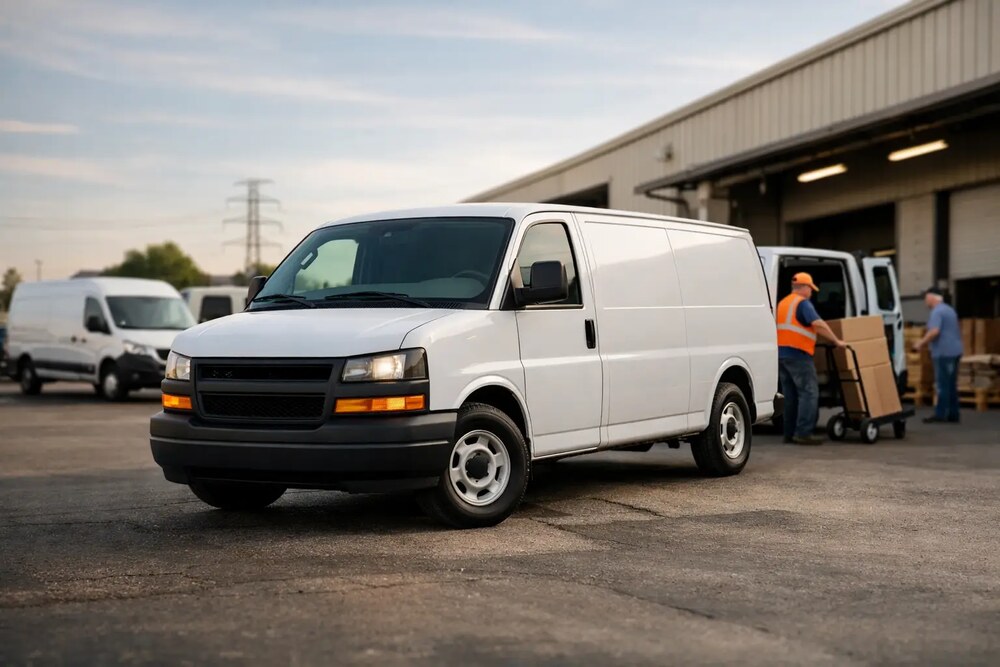
A van that is off the road is not just an inconvenience. It can mean missed jobs, delayed deliveries and a workday spent rearranging customers rather than earning. That is why buying used vans for business is less about finding the lowest advertised price and more about choosing a vehicle that can carry its share of the workload.
For Australian sole traders, small fleets and growing service businesses, a used van can make sound financial sense. You avoid the steepest part of new-car depreciation, while still gaining the enclosed, practical load space that a ute cannot always provide. The right choice depends on what you carry, where you travel and how much downtime your business can tolerate.
Start with the job, not the badge
It is easy to begin with a familiar make or a sharp-looking listing. A better starting point is your working day. A florist, mobile mechanic, courier and electrician may all need a van, but their priorities are very different.
Think about the size and shape of the items you carry. Payload tells you how much weight a van can legally carry, while cargo volume tells you how much it can fit. Both matter. A van with plenty of room but a limited payload may not suit heavy tools, parts or stock. Equally, a high payload figure will not help if ladders, shelving or bulky cartons do not fit through the rear or sliding doors.
Also consider access. Dual sliding doors can save time on busy suburban streets. A low load floor can reduce strain when loading dozens of times a day. If you regularly tow a trailer, check the braked towing capacity and confirm that the vehicle is equipped and rated appropriately.
The daily route is just as relevant. Compact vans can be easier to park in inner-city streets and tight customer driveways. Larger vans offer greater capacity, but may cost more to fuel, insure and manoeuvre. For regional work or long motorway runs, cabin comfort, driver-assistance features and service availability may deserve more weight in your decision.
Choose the right type of used van for business
There is no single best van for every operation. Small car-based vans can suit light deliveries, catering supplies or trade work where parking is difficult. Medium vans are often a practical middle ground for service businesses, offering useful cargo space without feeling oversized. Large vans suit bulky stock, multi-person crews, regular interstate runs and fitted-out mobile workshops.
Cab configurations matter too. A two-seat van maximises cargo room, while a crew van can carry extra workers but usually sacrifices some load length. If employees will use the vehicle, look beyond the cargo area. Check seating comfort, visibility, air conditioning, Bluetooth connectivity and the condition of the cabin. A van is a workplace, not simply a box on wheels.
Fuel type is another decision with long-term consequences. Diesel remains common in larger vans because of torque and highway efficiency, particularly when loaded or towing. Petrol may suit lower-kilometre urban use, depending on the model. Electric vans can be worth considering for predictable metro routes and overnight depot charging, but range, payload, charging access and purchase price need to line up with the way you work.
Look beyond the purchase price
A lower-priced van can become expensive quickly if it needs tyres, brakes, suspension work, a major service or repairs to commercial fit-outs. Before comparing listings, set a realistic all-in budget that includes stamp duty, transfer fees, insurance, registration, servicing and any required equipment.
Fit-out costs are often overlooked. Shelving, roof racks, ladder restraints, a cargo barrier, tow bar, signage and a secure lock system can change a standard van into a productive business vehicle, but they can add thousands of dollars. Some used vans already have these features installed. That may represent value, provided the equipment is safe, compliant and suitable for your trade.
Running costs should be assessed over the time you expect to own the van, not just in the first month. Compare fuel consumption figures carefully, but treat them as a guide. A heavily loaded van doing stop-start work will generally use more fuel than the brochure figure suggests. Insurance premiums, tyre sizes, service intervals and parts availability can all vary substantially between models.
Finance can also affect the true cost. A lower repayment may come with a longer loan term or different total interest cost. If finance is appropriate for your business, review the rate, fees, repayment frequency and early repayment conditions before committing. Clear figures make it easier to compare one vehicle with another.
Inspect a used business van with purpose
A van can look tidy in photos and still have led a hard working life. Commercial vehicles often accumulate kilometres quickly, which is not automatically a problem. Consistent servicing, sensible use and good maintenance can matter more than the odometer alone.
When you inspect, take the same practical approach you would with a potential worksite. Check the cargo area for damage, rust, water ingress and poorly repaired holes from previous shelving or equipment. Look at the floor, wheel arches, door tracks and seals. Open and close the rear and sliding doors several times. They should operate smoothly and latch securely.
In the cabin, test the air conditioning, windows, lights, reversing camera, infotainment and warning lights. During a test drive, listen for knocks from the suspension, check that the steering tracks straight and make sure the gearbox changes cleanly. Test the brakes in a safe location and note any vibration, pulling or unusual pedal feel.
Ask for service records and invoices, particularly for major maintenance. Depending on the model, this could include timing belt replacement, transmission servicing, diesel particulate filter work, injector repairs or cooling-system maintenance. A seller who can explain the van's history clearly and provide supporting records gives you a stronger basis for a decision.
A pre-purchase inspection by a qualified mechanic is a sensible step, especially for higher-kilometre vans, older models or vehicles that will be central to your income. It can identify issues that are not obvious on a short test drive and help you negotiate fairly.
Check the paperwork before you commit
Before paying a deposit, verify the vehicle identification number against the vehicle and its documents. A PPSR history report can help you check whether a vehicle has recorded finance owing, has been written off or has been reported stolen. This is particularly valuable when buying privately, but it is a worthwhile check for any used vehicle purchase.
Confirm the registration details in your state or territory and understand what is included in the sale. Ask whether the price includes GST where relevant, and keep tax invoices and purchase records for your accountant. If the van is being sold by a licensed dealer, clarify warranty coverage and any statutory protections that apply in your state or territory. If it is a private sale, the responsibility to inspect carefully is even greater.
Vehicle modifications need attention as well. Roof racks, bullbars, suspension changes, shelving and electrical installations may be useful, but they should be correctly fitted and compliant. An overloaded or poorly modified van can create safety, insurance and legal problems that outweigh any upfront saving.
Compare listings on a like-for-like basis
A good comparison does not stop at make, model and year. Put similar vans side by side and compare odometer reading, service history, transmission, fuel type, payload, seller type, location and included equipment. A slightly higher asking price may be justified by lower kilometres, documented servicing, newer tyres or a fit-out that you would otherwise need to buy separately.
It is also worth considering how quickly you need the vehicle. A cheaper van located across the country may involve transport costs, time away from work and limited opportunity to inspect it properly. Local stock can make inspection and collection simpler, although the best value is not always closest to home.
Carface makes it easier to narrow the search using practical details such as price, location, transmission, fuel type and odometer reading, then contact sellers directly when a listing looks right. Use those details to build a shortlist rather than rushing into the first van that fits your budget.
A used van should support the way your business operates now while leaving enough room for the next stage of growth. Take the extra time to inspect, compare and verify. The result can be a dependable work vehicle that earns its keep from the first job onward.
