


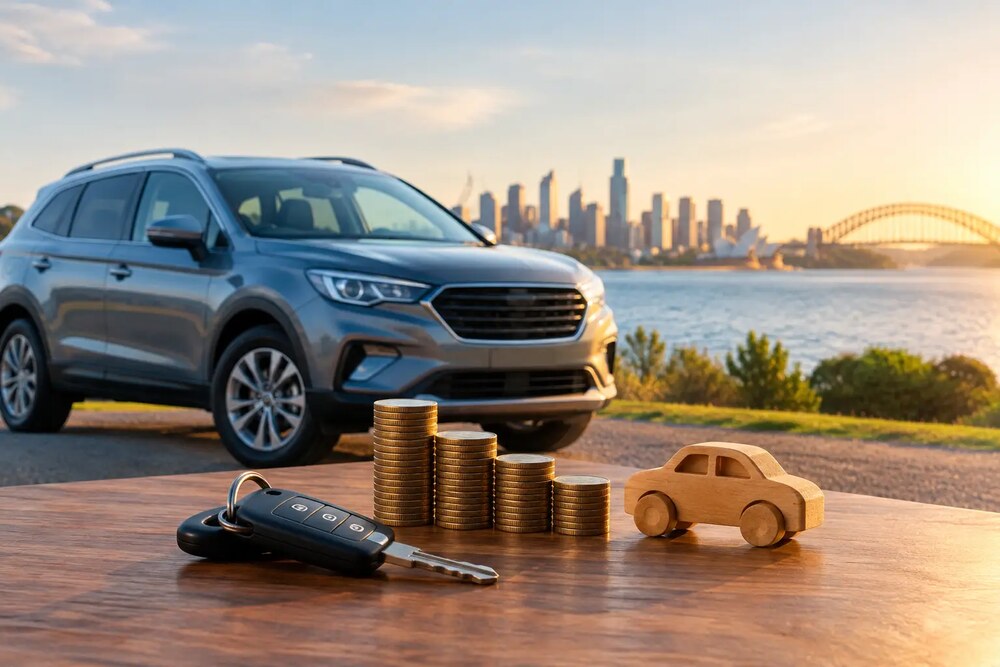
A $45,000 new car can lose several thousand dollars in value before its first service. That is not necessarily a bad purchase - it is simply the cost of newness, warranty coverage and being the first owner. This vehicle depreciation guide explains how that value changes over time, what buyers notice most and how Australians can make smarter decisions when buying, selling or trading a used car.
Depreciation is the difference between what you pay for a vehicle and what it is worth when you sell. It affects every make and model, from a compact hatchback to a family SUV, work ute or electric vehicle. The exact rate is never fixed, because condition, kilometres, demand and timing all matter.
How vehicle depreciation works
Most vehicles lose value fastest in their first few years. A new vehicle commonly takes its biggest drop as soon as it becomes a used vehicle, then continues to decline at a slower rate each year. By the time a car is five years old, its value may be substantially lower than its original drive-away price, even if it has been carefully maintained.
That does not mean every car follows the same curve. Popular, reliable models with strong used-car demand can hold their value better than less common vehicles with expensive servicing or limited buyer appeal. A well-presented Toyota RAV4, Mazda CX-5 or dual-cab ute may attract steady interest, while a luxury vehicle with high running costs can depreciate more sharply once its factory warranty ends.
For buyers, depreciation can create opportunity. A two- or three-year-old vehicle may still offer modern safety technology, remaining warranty and low kilometres at a noticeably lower price than new. For sellers, understanding the market helps set a realistic asking price without underselling a quality vehicle.
Vehicle depreciation guide: what affects resale value
Age and kilometres are the starting point, but they are not the full story. Two identical cars can have very different values because one has a complete service history, clean presentation and desirable features, while the other has overdue maintenance, accident repairs or unusually high use.
Make, model and buyer demand
A vehicle’s reputation has a direct effect on resale value. Models known for reliability, practical ownership costs and easy access to parts tend to have a wider pool of buyers. Demand can also vary by location. A 4X4 or ute may be especially sought after in regional areas, while a fuel-efficient hatchback or hybrid can appeal strongly to city commuters.
Certain specifications can make a meaningful difference. Automatic transmissions generally attract more buyers than manuals in mainstream passenger cars, although enthusiasts may value a manual performance car. Seven seats can strengthen the appeal of a family SUV. For utes, towing capacity, tray configuration, four-wheel drive and service records often matter more than cosmetic extras.
Condition, history and presentation
Buyers pay for confidence. A vehicle with consistent servicing, clear ownership information and receipts for major work is easier to assess and negotiate on. Small issues can also add up: worn tyres, cracked windscreens, faded paint, damaged wheels, warning lights and missing keys all give buyers a reason to reduce their offer.
A PPSR history report is particularly useful when buying used. It can help identify whether a vehicle has money owing on it, has been written off or is recorded as stolen. It does not replace a mechanical inspection, but it gives buyers important information before they commit.
Presentation matters because it shapes the first impression. A thorough clean, tidy boot, clear photographs and honest descriptions help a good vehicle stand out. Sellers do not need to spend heavily on cosmetic work that will not return its cost, but straightforward maintenance and a professional detail can be worthwhile.
Running costs and changing preferences
Fuel prices, insurance costs, servicing requirements and registration expenses can influence demand. A large petrol SUV may suit some families perfectly, but its resale value can soften if buyers are prioritising lower fuel use. Similarly, vehicles with a history of costly repairs may be harder to sell, even when their purchase price appears attractive.
Electric vehicles add another layer. Battery condition, remaining factory warranty, charging access and model updates can all affect value. An EV is not automatically a poor resale choice, but buyers should compare the used price with new-car offers, government incentives where available and charging suitability at home or work.
Estimating a fair used-car price
There is no single number that guarantees a sale. The right price sits where the vehicle’s real condition, local demand and comparable listings meet. Start with a vehicle valuation, then compare similar cars by year, variant, kilometres, transmission, condition and location.
Be careful with headline prices. A dealer-listed vehicle may include statutory warranty obligations, reconditioning costs or dealer charges treated differently from a private sale. A private seller’s price may be more flexible, but buyers should allow for inspections, transfer fees, insurance and any immediate maintenance.
If you are selling, avoid pricing solely around what you owe on finance or what you paid. Neither figure determines the current market value. Price based on comparable vehicles, then leave reasonable room for negotiation if that suits your plan.
If you are buying, a cheaper listing is not always better value. Consider the total ownership picture: tyres, servicing, registration, fuel, finance interest and repairs. A vehicle priced slightly higher with documented history and no urgent work required may be the more sensible choice.
How to slow depreciation as an owner
You cannot stop a vehicle ageing, but you can protect the part of its value that is within your control. Follow the service schedule, keep invoices and address small faults before they become expensive problems. Avoid modifications that limit the buyer pool unless they are easily reversible or genuinely suit the vehicle’s market.
Keep the interior clean, protect paintwork where practical and repair damage promptly. Parking carefully, using quality floor mats and not smoking in the vehicle can make a noticeable difference when it is time to sell. If you drive high annual kilometres, understand that resale value may fall faster, particularly once the odometer moves beyond common buyer expectations for its age.
It also helps to retain both keys, the owner’s manuals and accessories such as cargo covers, charging cables or spare wheel equipment. These details signal careful ownership and reduce inconvenience for the next buyer.
When is the best time to sell?
The best time depends on your vehicle and your next move. Selling before major scheduled maintenance, tyre replacement or the end of a transferable warranty can be sensible, provided the price fairly reflects the vehicle’s condition. Waiting may make sense if you have only recently completed valuable maintenance and demand for your type of car is strong.
Seasonality can play a part. Convertibles may attract more attention in warmer months, while 4X4s and utes can see consistent demand around holiday and work periods. However, market conditions matter more than trying to predict the perfect week. A well-priced, well-presented vehicle with clear information can perform strongly at any time of year.
Buy and sell with the full picture
Depreciation should guide your decision, not dominate it. The cheapest car to own on paper may not fit your family, commute or work needs, and a vehicle that holds value well can still be the wrong choice if it is poorly maintained or overpriced.
When comparing options, use the same practical process: search and compare similar vehicles, review their condition and history, inspect carefully, and negotiate using evidence rather than assumptions. Carface helps bring those details into view through searchable listings, vehicle information, valuations and direct seller contact. A clear view of depreciation lets you focus on the better question: which vehicle offers the right value for how you will actually use it?
